
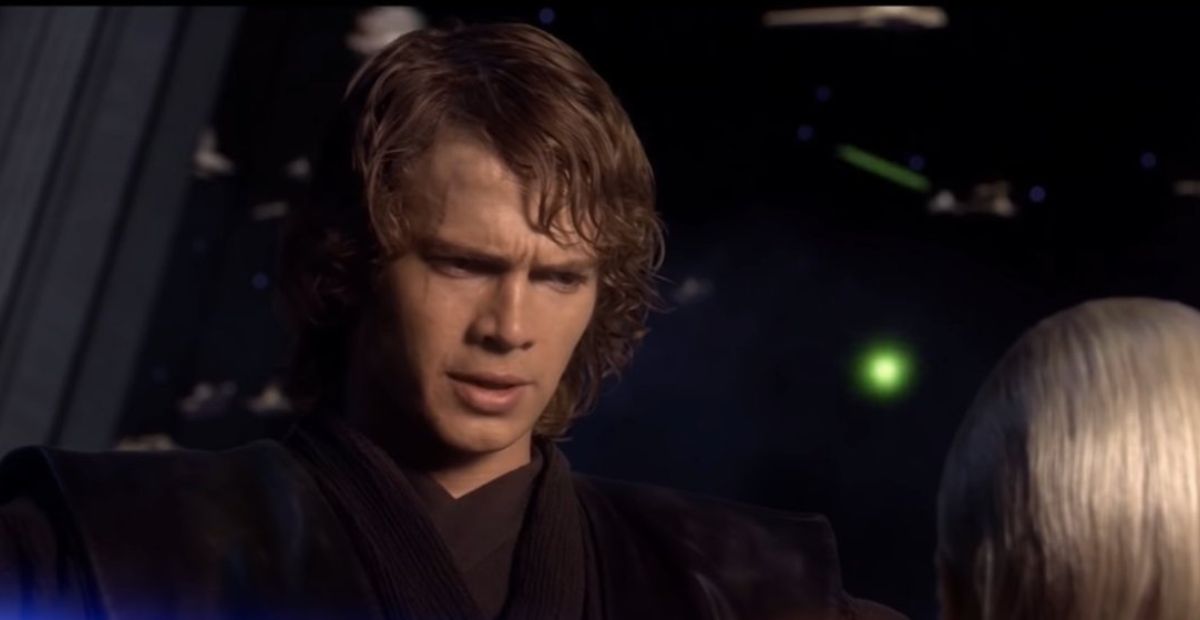
During the duel with Count Dooku in Revenge of the Sith, we all recognize the moment as a major turning point for Anakin Skywalker. When Dooku is defeated and no longer a threat, Anakin makes a conscious choice to kill him. That decision marks the first time Anakin knowingly crosses a line he understands is wrong.
What the film doesn’t linger on is Anakin’s internal reaction afterward. The story moves forward, but Anakin doesn’t simply accept what he’s done. Star Wars lore makes it clear that killing Dooku isn’t something he feels justified about. Almost immediately, regret sets in—and that feeling stays with him far longer than the scene itself suggests.
Anakin Knew Killing Dooku Was Wrong
The Revenge of the Sith novelization makes it unmistakably clear that Anakin regrets killing Count Dooku the moment it happens. Unlike the film, which moves on quickly, the novel slows the moment down and takes us inside Anakin’s head.
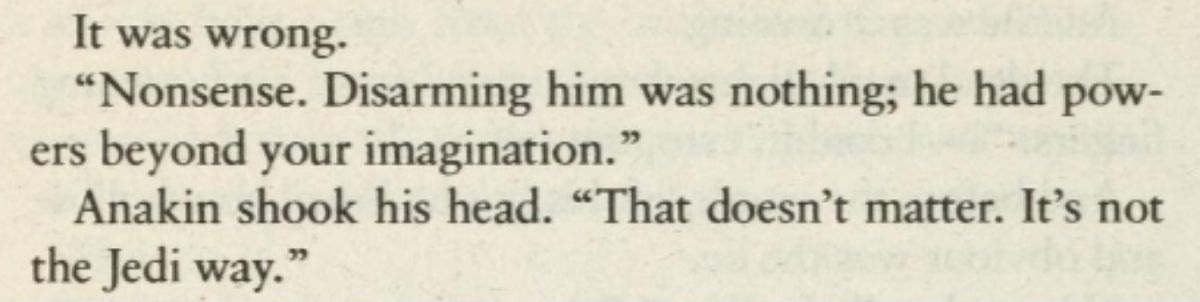
As soon as Dooku’s body falls, Anakin knows he’s done something wrong. His first reaction isn’t satisfaction or relief. It’s shock. He looks at what he’s done and says it out loud: “I shouldn’t have done that.” There’s no attempt to justify the act or excuse it as part of the war.
The narration goes even further. Anakin recognizes the execution for what it truly was—not a victory, not justice, but a crime. He understands that Dooku was defeated, unarmed, and helpless, and that killing him crossed a line Anakin knew better than to cross. The guilt hits immediately and physically, described as something that strikes him rather than slowly settles in.
What matters most is why Anakin reacts this way. His regret isn’t abstract guilt or fear of consequences. It’s rooted in his understanding of what the Jedi are supposed to be. Anakin knows that executing a defeated prisoner is not the Jedi way. Dooku was no longer a threat, and Anakin understands that a Jedi is meant to show restraint, not vengeance.
The novel makes it clear that Anakin recognizes he has violated his own beliefs. This wasn’t a battlefield kill or a moment of self-defense. It was a deliberate execution carried out in anger, at the urging of Palpatine. Anakin knows that choosing to kill Dooku in that moment puts him in direct conflict with the principles he was trained to uphold.
Anakin Was Haunted by the Choice He Made
Anakin’s regret over killing Count Dooku doesn’t end in that single moment aboard the Invisible Hand. Skywalker: A Family at War reinforces that this act becomes a psychological turning point for him, one that continues to shape his thinking and behavior afterward.
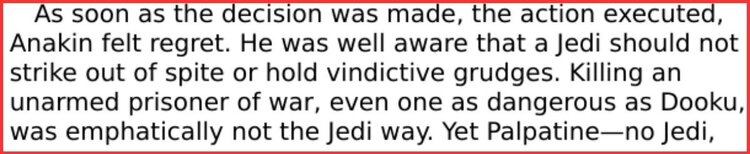
The book directly addresses the execution, stating that when Palpatine urged Anakin to kill Dooku, Anakin knew it was wrong. It describes the moment plainly: Anakin “had failed the Jedi Order and been filled with regret” after giving in to Palpatine’s urging and killing Dooku.
That regret doesn’t stay confined to the moment itself. It becomes something Anakin carries with him. When he later faces another decisive choice involving Palpatine and Mace Windu, the book draws a direct connection back to Dooku’s death. Only days earlier, Anakin had stood over a defeated Sith and obeyed Palpatine’s command, and that memory still weighs on him.

This time, Anakin believes he has a chance to do what he failed to do before. He sees the confrontation with Palpatine as an opportunity to correct his mistake—to hold to the Jedi way instead of giving in to anger and manipulation.
In other words, Dooku’s death doesn’t just mark Anakin’s fall. It haunts him. The regret follows him forward, shaping the choices he believes he still has left—and setting the trap that finally closes around him.