
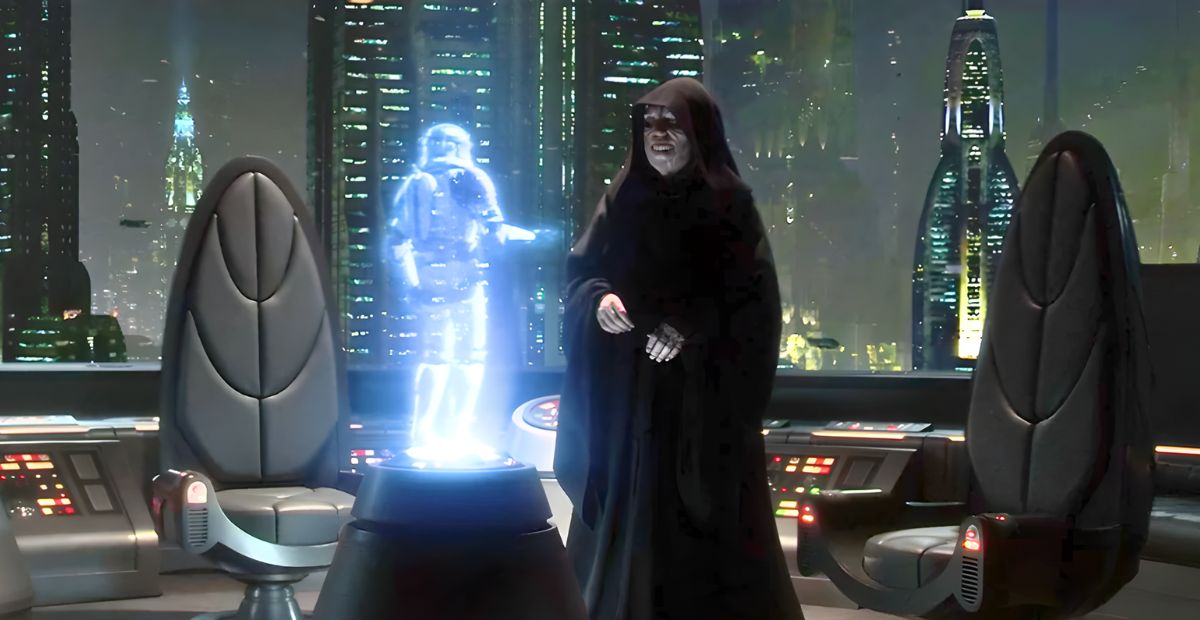
The Clone Wars only last about three years in-universe. Geonosis kicks things off in 22 BBY, and by 19 BBY the Republic is gone, the Empire is born, and the Jedi are almost extinct.
On paper, Palpatine could have triggered Order 66 much earlier. The clones already have their inhibitor chips, the contingency orders are on file, and he’s sitting in the Chancellor’s chair from day one of the war. So why wait those three years? Why not wipe the Jedi out the moment the first battalions roll off Kamino?
Table of Contents
1. He Needed the Jedi in the Worst Possible Position
If we stick to Legends, the clearest window into why Palpatine waits comes from Republic Commando: Order 66 and Stover’s Revenge of the Sith novelization. Together they show that the three-year delay isn’t hesitation – it’s timing.
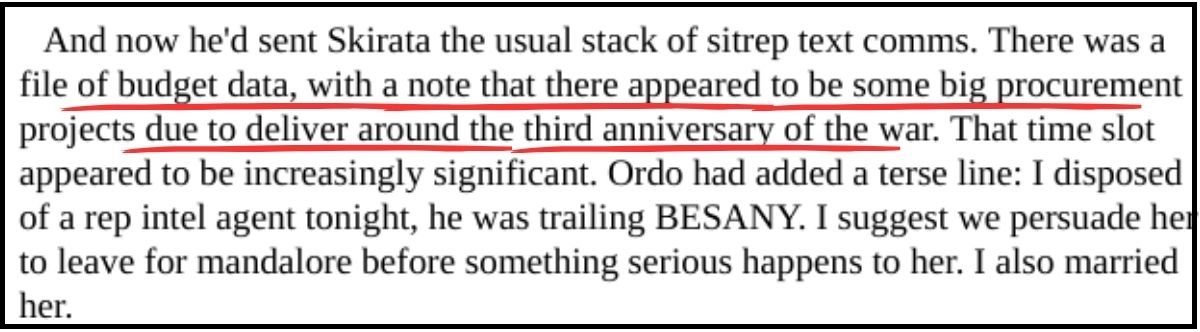
In Order 66, Kal Skirata and the Nulls keep digging through military budgets and shipyard orders. What they find is weird: Palpatine is pouring money into more clones and more ships, but the delivery dates are all pushed out to the future instead of being rushed to the front. Besany Wennen notices “big procurement projects due to deliver around the third anniversary of the war,” and Ordo sends the data straight to Skirata because the timing looks deliberate.
Skirata eventually spells out what that means. Talking with Fenn Shysa on Mandalore, he says Palpatine has “spent thirteen years – at least – building a galactic war and two armies purely to get rid of the Jedi,” and points out that the Emperor is “occupying the galaxy a system at a time.” In other words, the war is engineered, the armies are engineered, and even the end date of the conflict is part of the plan.
In other words, the war is engineered, the armies are engineered, and even the end date of the conflict is part of the plan. He’s timing everything so that, when he finally gives the order, he’ll have a massive, fully deployed clone army in place and the Jedi will be too outnumbered and spread thin to stand a chance against it.
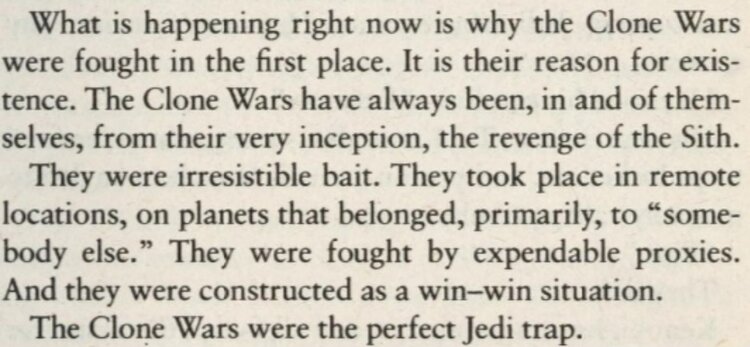
Stover’s Revenge of the Sith novelization backs that up from the other side of the board. He flat-out calls the Clone Wars “the perfect Jedi trap,” explaining that they were designed so that “with the Jedi Order overextended, spread thin across the galaxy,” each Jedi would be isolated with their clones, while “war itself pours darkness into the Force.” By the time Order 66 is transmitted, the Jedi are scattered, exhausted, unable to see clearly, and surrounded by soldiers who’ve been drilled on those contingency orders since childhood.
So if we answer “why wait three years?” through this lens, the novels basically give us: because Palpatine wasn’t done cooking the trap. He holds the order until the war has done exactly what he built it to do – spread the Jedi thin, drown the Force in noise, and let him finish stockpiling a new, more loyal army and fleet to inherit the galaxy the moment the old guard is wiped out.
2. He Waits Until He Can Call It a Jedi Rebellion
The other piece of the timing is political. Palpatine doesn’t just want the Jedi gone, he wants the galaxy to accept why they were killed. That’s why he spends the whole war slowly reshaping the law around them. In the Revenge of the Sith novelization, there’s a scene where Yoda, Mace, and Obi-Wan go over a new Security Act amendment. Yoda realizes it would put the Jedi Council under the Chancellor’s direct control, and Mace points out the real danger: the amendment would give Palpatine the constitutional authority to disband the Order outright. By the end of the war he isn’t just a chancellor with emergency powers, he’s built himself the legal tools to make any move against the Jedi look “by the book,” not like a coup.
Stover shows how he uses that in the arrest scene. When Mace and the other Masters walk into his office with lightsabers drawn, he immediately reframes it as a power grab: “So this is the plan, at last: the Jedi are taking over the Republic.” As soon as the blades come up, he starts shouting for help, calling them murderers and traitors. In the novel, that recording is exactly what he later plays to the Senate as proof that the Jedi tried to overthrow him. From the senators’ point of view, they’re hearing their chancellor screaming about a Jedi coup while four armed Masters stand over his desk.

Seen from that angle, the three-year wait makes sense. Palpatine waits until he has the Security Acts in place, the Jedi are deeply tied to the war effort, and he can engineer a confrontation in his office that looks exactly like a coup on holo. Only then does he trigger Order 66. He’s not just killing the Jedi; he’s killing them at the one moment when he can convince the whole galaxy that they deserved it.
3. “Darth Vader” Wasn’t Ready Until the Very End
The last part of the timing isn’t about clones or laws at all, it’s about Anakin. Palpatine doesn’t just want the Jedi gone; he wants a new Sith ready to step into place the same day. Order 66 is timed to the moment he can finally turn Anakin into Darth Vader and point him at the Temple.
If you walk through Revenge of the Sith in order, you can see how carefully that’s stacked. First, Dooku dies on Grievous’s flagship, which clears the apprentice slot. Then Grievous flees to Utapau and the Council sends Obi-Wan after him, which leaves Anakin stuck on Coruscant—close to Palpatine, far from the one person who might pull him back. The Council asks him to spy on the Chancellor and then refuses him the rank of Master, which lines up perfectly with everything Palpatine has been saying for years about how the Jedi don’t really trust him.
On top of that you have Padmé and the visions. By this point Anakin is already dreaming about her dying, and he’s already seen with his mother that visions can come true if he does nothing. Palpatine times the “Darth Plagueis the Wise” story and the promise of forbidden knowledge to that fear. He doesn’t offer power in the abstract; he frames it as the one way to “save the one you love from death,” then waits until Mace comes to arrest him to force the choice. Help the Jedi and risk losing Padmé, or help Palpatine and maybe save her.
If Palpatine had tried to spring Order 66 a year earlier, that whole setup wouldn’t exist yet. Anakin would still be fighting side by side with Obi-Wan, without a Council seat to resent, without Padmé’s death hanging over him in the same way. The war would have made him more reckless and powerful, but it wouldn’t have boxed him in emotionally. In that scenario, there’s a real chance he sides with the Jedi against the Chancellor.
By the end of the third year, everything lines up on one day: Dooku gone, Obi-Wan off-world, the Council alienated, the Security Acts in place, Padmé in danger, and Anakin convinced he has no other way to save her. That’s the moment Palpatine has been waiting on.Order 66 and the birth of Darth Vader are designed to happen together—and that could only really happen at the very end of the war.