
George Lucas knew why Anakin Skywalker would become Darth Vader, but some of the people watching an early cut of Revenge of the Sith weren’t convinced. They wanted something stronger to explain why a Jedi hero would turn against everyone around him. One suggestion was to kill his best friend and let anger do the rest. Lucas’s objection gets to the heart of what makes Anakin’s fall so disturbing.
Some Early Viewers Wanted a Clearer Reason for Anakin to Turn
The disagreement appears in a passage attributed to page 188 of J. W. Rinzler’s The Making of Star Wars Revenge of the Sith. Lucas describes showing a rough cut to people at Industrial Light & Magic, where some questioned Anakin’s motivation.
One person suggested having somebody kill Anakin’s best friend. Others wanted a more direct betrayal, something that would give him an obvious reason to strike back.
It’s easy to see the appeal. Anakin starts the film risking his life to rescue people he cares about. By the end, he has helped destroy the Jedi Order and murdered children in its Temple. That is an enormous change, and a devastating personal loss could makethe connection easier to follow.
A murdered friend would give him a target. The audience could watch his grief become anger, then watch that anger spread beyond the person responsible.
But Lucas was trying to tell a different story. Anakin wouldn’t become Vader because someone had already taken everything from him. He would become Vader because he couldn’t accept the possibility of losing what he still had.
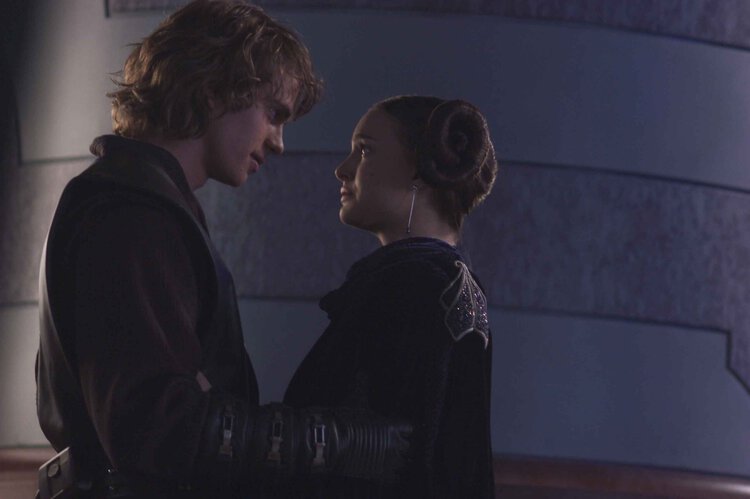
Lucas Saw Greed Behind Anakin’s Fear
“Anakin is simply greedy. There is no revenge,” Lucas explains in the passage.
That can sound harsh when Anakin’s immediate goal is saving Padmé. He wants his wife to survive childbirth so they can raise their family together. There is nothing unusual about wanting that future.
The problem is what he becomes willing to do to guarantee it.
Anakin wants power over death itself. Once he believes that power might be available, he starts treating anything standing between him and it as something he can sacrifice. His responsibilities as a Jedi, his loyalty to his friends, and eventually innocent lives all become expendable.
His fear of loss makes Palpatine’s offer almost impossible for him to leave alone. The Chancellor doesn’t need to prove he can save Padmé. He only needs to convince Anakin that the possibility exists and that the Jedi are keeping him from it.
Lucas also separates Anakin’s motive from the revenge promised in the film’s title. In his explanation, Palpatine is the one taking revenge against the Jedi. Anakin becomes a pawn because his personal obsession makes him useful.
They are working toward the same destruction for different reasons. Palpatine wants the Jedi gone so he can rule. Anakin helps him because he believes the Sith offer his best chance of keeping Padmé.
Padmé Hasn’t Died When Anakin Makes His Choice
Anakin has already lived through a nightmare becoming real. In Attack of the Clones, his visions lead him to his mother, but he reaches her too late to save her. After she dies in his arms, he slaughters the Tusken camp, including women and children.
That experience makes his dreams about Padmé especially frightening. He has tried waiting before, and someone he loved died. This time, Palpatine offers a way to act.
Still, Anakin doesn’t immediately join the Sith when he learns the Chancellor’s identity. He reports Palpatine to Mace Windu. Even with everything he fears, he recognizes that the Jedi need to know.
The decisive moment comes when Windu is about to kill Palpatine. Anakin argues for a trial, but his desperate “I need him” reveals what makes the situation unbearable for him.

If Palpatine dies, Anakin believes his chance to save Padmé dies with him. He cuts off Windu’s hand, allowing the Sith Lord to attack.
Padmé is still alive when Anakin betrays the Jedi. Nobody has murdered her, and Windu hasn’t caused the death Anakin fears. Anakin intervenes because he wants to preserve access to a promised power.
Even after he submits, Palpatine cannot simply hand him the solution. The knowledge remains something they must pursue. Anakin has crossed the line without securing the thing he crossed it for, leaving him dependent on the man who exploited his fear.
That makes the Temple massacre even harder to excuse. The children haven’t threatened Padmé. They haven’t taken anything from him. Yet he kills them as part of serving the master he now believes he needs.
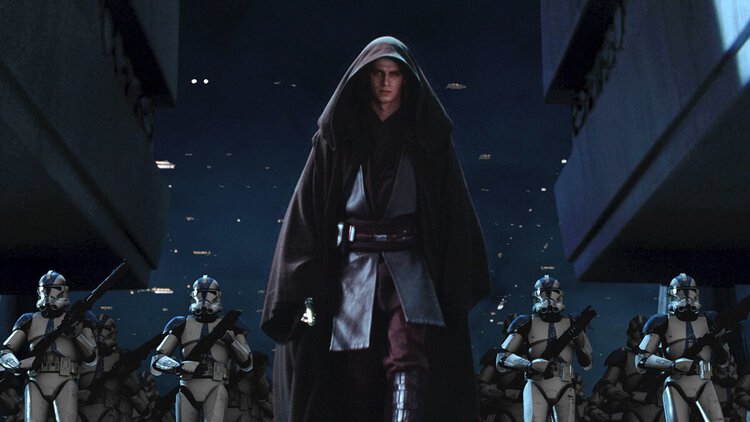
A revenge story could direct our attention toward the terrible thing done to Anakin. The finished film forces us to look at what he does to people who bear no responsibility for his fear.
Lucas Also Questioned Whether the Film Made That Clear
Lucas didn’t simply dismiss the criticism. In the same account, he describes questioning whether his intended meaning was actually coming across. He also recalls seeking Steven Spielberg’s perspective and receiving encouragement to remain true to his vision.
That is a fair concern, even if his explanation makes sense. Understanding Anakin’s motive and believing every step of his transformation are different things. A viewer can understand his fear of losing Padmé and still struggle with how quickly he moves from helping kill Windu to murdering children.
The proposed revenge plot would have made the emotional trigger easier to show. Lucas’s version depends on the audience following Anakin as he keeps finding reasons to do something worse.
By Mustafar, those reasons have grown beyond saving his wife. He tells Padmé he can overthrow Palpatine and that they can rule together. He is now offering her a future built around his power, without stopping to consider whether she wants it.
She doesn’t. She wants him to come back from what he has done.
When Obi-Wan appears, Anakin accuses Padmé of betrayal and chokes her. The person whose survival supposedly justified everything becomes someone he attacks when she refuses to accept his choices.

Anakin finally feels betrayed, but that comes after he has joined the Sith and attacked the Temple. It cannot explain the original decision. Instead, it shows how far his desire to protect Padmé has turned into a demand that she stand beside him.
Killing his best friend could have given Anakin someone to avenge. Keeping Padmé alive lets her confront him herself and reject everything he claims to have done for her.