
Return of the Jedi gave Anakin Skywalker one of the most powerful endings in Star Wars. After decades as Darth Vader, he finally turns against the Emperor, saves his son, and dies as Anakin again.
Then The Rise of Skywalker brought Palpatine back.
And yes, I know the usual defense: Anakin still saved Luke. That part is true. But his final act was never only about saving Luke. It was also about destroying the Sith master who corrupted him, controlled him, and ruled the galaxy through the Empire.
So when Palpatine returns decades later, it absolutely changes the weight of Anakin’s sacrifice.
Anakin’s Sacrifice Was Supposed To End Palpatine
In Return of the Jedi, Anakin does not defeat Palpatine as the heroic Jedi Knight he once was. He defeats him as Darth Vader, a broken man who has spent more than twenty years serving the person who destroyed his life.
George Lucas explained Anakin’s redemption in a very specific way. Anakin does not erase everything he did as Vader. He cannot make up for all the pain, death, and suffering he caused. But in that final moment, he stops the horror. He sees Luke being tortured by the Emperor, takes the small piece of good still left in him, and chooses compassion for his son over loyalty to his master.

That is what makes the scene powerful. Palpatine was not just another villain to Anakin. He was the Sith master who manipulated his fear, turned him against the Jedi, and kept him trapped as Vader after Mustafar. By the time of the original trilogy, Vader is still standing beside him as his weapon, watching Palpatine try to do the same thing to Luke.
When Vader lifts Palpatine and throws him down the shaft, he is not only saving Luke from death. He is turning against the man who created Darth Vader, ruled the Empire, and controlled the galaxy through the Sith. Anakin’s final act was personal, but it was also supposed to end Palpatine.
Palpatine’s Return Makes That Victory Temporary
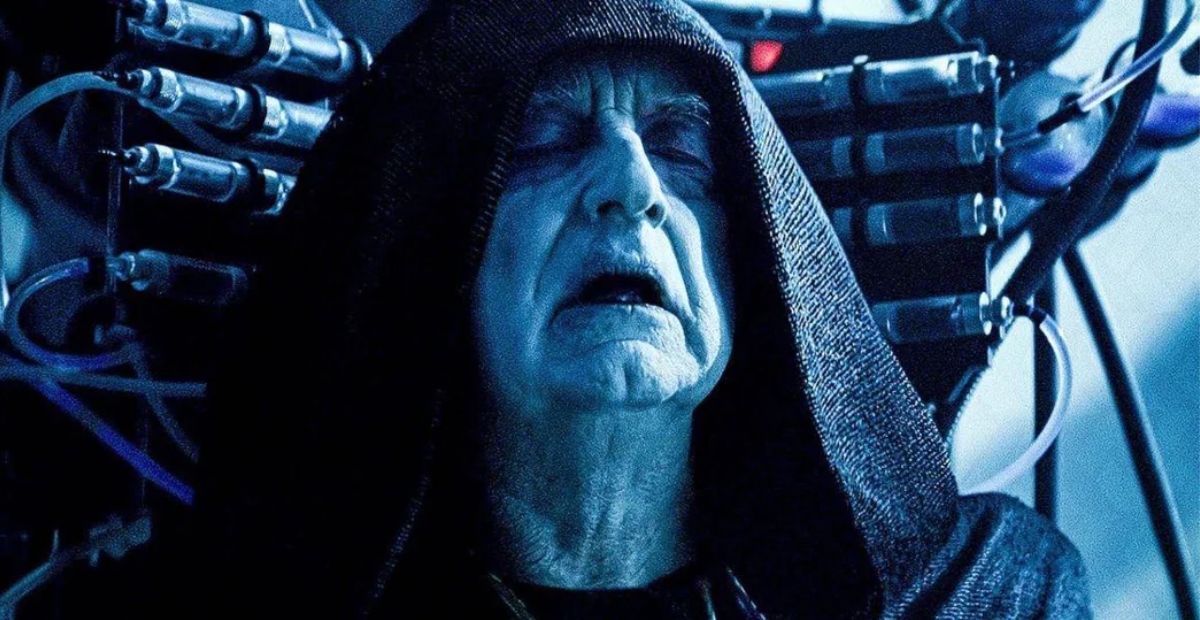
Then The Rise of Skywalker reveals that Palpatine is still alive on Exegol, surrounded by Sith loyalists, a hidden fleet, and a plan to rule the galaxy again through the Final Order.
That immediately changes the ending of Return of the Jedi. Anakin still saves Luke, but Palpatine is no longer truly destroyed by him. The Sith master survives in another form, his cult continues in secret, and his plan reaches the galaxy again decades later.
The movie even tries to address this through Anakin’s voice, when he tells Rey, “Bring back the balance, Rey, as I did.” But that line only points at the problem. If balance had to be brought back again because Palpatine returned, then Anakin’s victory was no longer the final defeat it used to be.

Rey becomes the one who destroys Palpatine onscreen. That does not make Rey bad, and it does not erase the fact that Anakin saved Luke. But it does move the final defeat of Palpatine away from Anakin and into another story.
Anakin’s redemption still matters emotionally. His love for Luke still breaks Vader’s loyalty to the dark side. But the larger victory attached to that sacrifice — destroying Palpatine and ending the Sith — was damaged the moment Palpatine came back.