
At the start of the Clone Wars, most clone troopers marched into battle in almost identical white armor. Then a soldier with bright markings would appear among them, practically asking you to notice him. On a battlefield like Geonosis, that seems like a dangerous choice. Why give an enemy such an obvious clue about which clone matters most?
The Paint Was a Visible Chain of Command
The Kaminoans equipped an army that needed to work as an army, not just a crowd of excellent individual soldiers. The original armor colors identified rank, giving the clones and their allies a quick way to recognize who held authority.
The early system was fairly straightforward. Commanders wore yellow markings, captains wore red or maroon markings, and lieutenants wore blue. Green identified sergeants, who were noncommissioned leaders rather than commissioned officers. These were distinctions within the army, not simply decorative choices made by each wearer.

Put yourself beside a formation of fully armored clones for a moment. Their faces are hidden, their equipment looks alike, and even their voices are similar. Knowing that someone nearby is a clone tells you very little about whether he commands the formation or has just joined it.
Paint makes that distinction visible before anyone speaks. A trooper can spot a higher-ranking soldier, while an arriving ally has a starting point for finding the person who can receive a report or organize the men around him. That is especially useful when someone does not already know the unit personally.
It also separates authority from personality. The early markings did not require everyone to memorize every officer’s name, face, or individual armor pattern. Learn the shared color code, and the same basic signal works when you encounter another formation.
A Helmet Display Was Not a Mark Everyone Could See
Clone helmets already contained technology, so why not leave identification to the equipment? Because a system inside a clone’s helmet is only useful to someone wearing a working helmet.
The early rank colors helped non-clones on the battlefield and clones whose helmet displays had broken down. That is a much more specific explanation than simply assuming the Kaminoans forgot that computers existed.
A Jedi arriving beside a squad does not normally wear a clone helmet. Neither does every other ally who might need to approach a Republic officer. A visible marking gives those people information without first requiring them to borrow equipment, connect to a system, or interrupt someone to ask his rank.
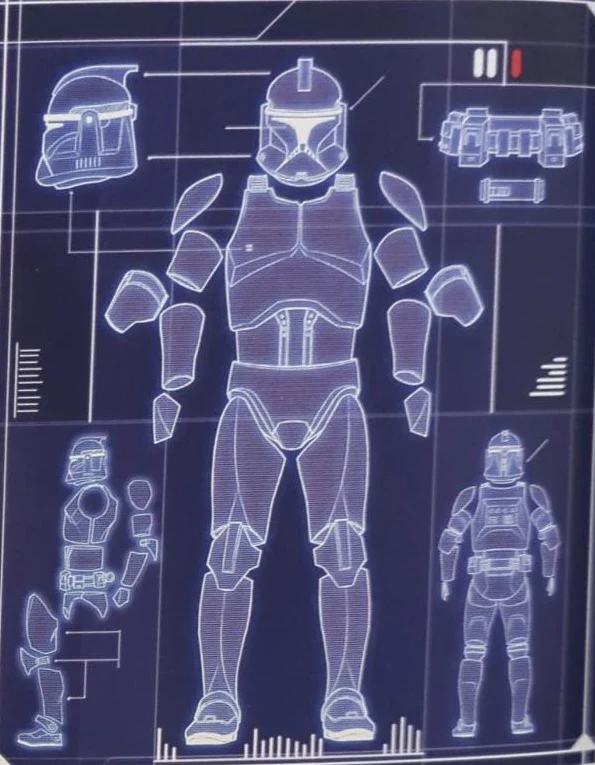
For a clone with a failed display, the same paint still exists outside the electronics. His equipment can lose a function without every nearby officer suddenly becoming visually indistinguishable from the men under him.
Yes, That Also Made Officers Easier to Pick Out
The uncomfortable part is that the enemy can see paint too. A marking that helps your own troops recognize an officer can also help an opponent choose a target.
The colors solved an identification problem. They did not solve the danger of being identified.
The practical trade-off is between keeping leaders harder to distinguish and making them easier for their own side to find. Remove every visible difference, and an enemy may have less information. So may a nearby ally trying to work out who is coordinating the position. Making an officer less noticeable does not automatically make his formation easier to command.
That is a reasonable way to understand the design, not a documented account of a Kaminoan meeting where someone weighed those risks. The confirmed purpose is rank recognition. The argument that recognition could be worth some exposure follows from what that recognition allows soldiers to do.
It is tempting to wave away the danger because the clones were fighting battle droids. But the limitations of an ordinary B1 are not a reason to treat the entire Separatist military as incapable of recognizing a leader. A conspicuous officer does not become safe just because some of his opponents are poor decision-makers.
Later, the Colors Stopped Being a Simple Rank Chart
Then the clones began making the armor their own.
As Jedi encouraged individuality, unit markings and personal color patterns spread through the army. An armor color could now tell you something about a clone’s unit or identity instead of neatly matching the original rank code.
Captain Rex is the easiest example. His familiar blue markings do not mean he was a lieutenant. He wore blue while serving as a captain, including on his Phase I armor. Reading him through the earliest color chart would give you the wrong answer.
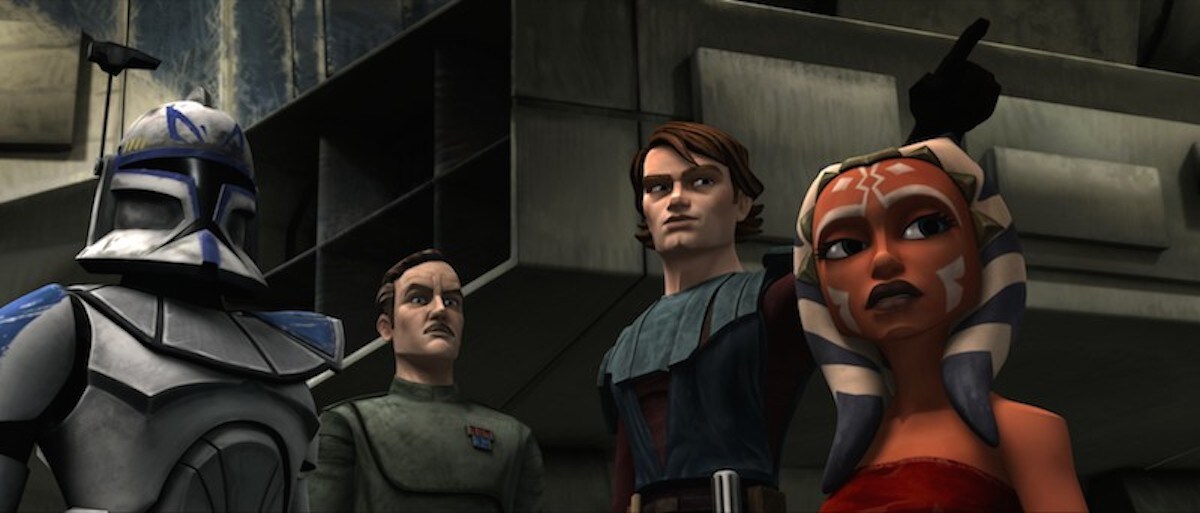
That also means the change was not simply a clean switch from rank-colored Phase I armor to personalized Phase II armor. Customization was already visible before the later armor became standard. The helmet design and the meaning of its paint were changing on overlapping timelines, not according to one universal repainting day.
The original system was designed to make a rank recognizable across the army. The later patterns could make a particular group recognizable, or make an individual clone stand apart from his brothers. Soldiers still had ranks; the paint just stopped functioning as a dependable army-wide chart of them.