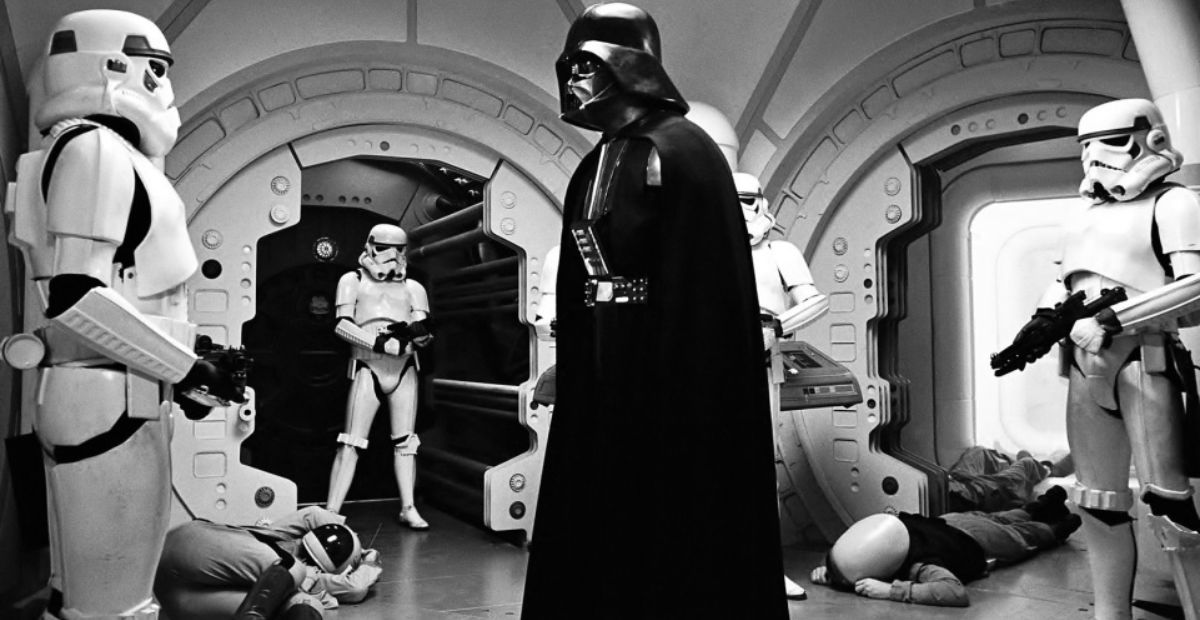
Darth Vader was the last person an Imperial officer wanted to see after a failed mission. Yet among the stormtroopers sent into battle, he could inspire something close to worship. The difference makes sense when you look at what each group experienced, but their admiration also came with a brutal catch.
Officers Knew What Happened When They Failed Him
In The Empire Strikes Back, Admiral Ozzel brings the Imperial fleet out of hyperspace too close to Hoth, alerting the Rebels before Vader can launch his attack. With the enemy shield already raised, Vader orders a ground assault and makes Ozzel pay for the mistake.
He chokes the admiral through a viewscreen while giving Piett command of the fleet. Piett receives his promotion with Ozzel dying beside him, leaving little doubt about what failure could cost.

Captain Needa later accepts responsibility for losing the Millennium Falcon and goes to apologize in person. Vader kills him anyway, adding, “Apology accepted, Captain Needa.”
For officers serving under him, the danger was personal. An enemy might destroy their ship, but their own commander could execute them before the next battle even began. Taking responsibility offered no protection, and a promotion could simply mean becoming the next person expected to deliver impossible results.
That gives officers an obvious reason to fear and resent Vader. To understand why stormtroopers might admire him, though, you have to leave the bridge and follow him into combat.
Stormtroopers Saw Him Fight at the Front
In Battlefront: Twilight Company, Rebel soldier Hazram Namir faces Vader during the fighting inside Echo Base. The stormtroopers take cover and return fire, advancing in pairs while their squadmates keep the defenders pinned down.
Vader steps ahead of them and keeps walking through the incoming fire. He deflects a bolt with his raised hand, then uses his lightsaber to turn aside the Rebels’ concentrated attack as his soldiers advance behind him.
The scene offers a clear explanation for his appeal. A stormtrooper watching Vader break through a defended corridor can see exactly what his presence contributes. He takes the lead against an enemy position that ordinary soldiers are struggling to reach.
For an officer, Vader could be the consequence of failure. For a soldier under fire, he could be the reason an attack succeeded.
That helps explain the reputation described in Lords of the Sith. On Ryloth, Isval has heard that regular officers hate Vader while the Stormtrooper Corps almost worships him. It is a report of his reputation, but the contrast fits what we see of him in action.
The natural reading is that his willingness to fight alongside his troops helped turn fear into admiration. They could be terrified of his power and still feel relieved when he directed it at the enemy.
Tarkin Recognized Something Familiar in His Leadership
Vader’s connection with his troops also caught the attention of someone who had known Anakin Skywalker.
In Tarkin, Wilhuff Tarkin grows increasingly suspicious that Vader is the Jedi Knight he fought beside during the Clone Wars. Among the clues are Vader’s lightsaber technique and the rapport he shares with the stormtroopers supporting him.
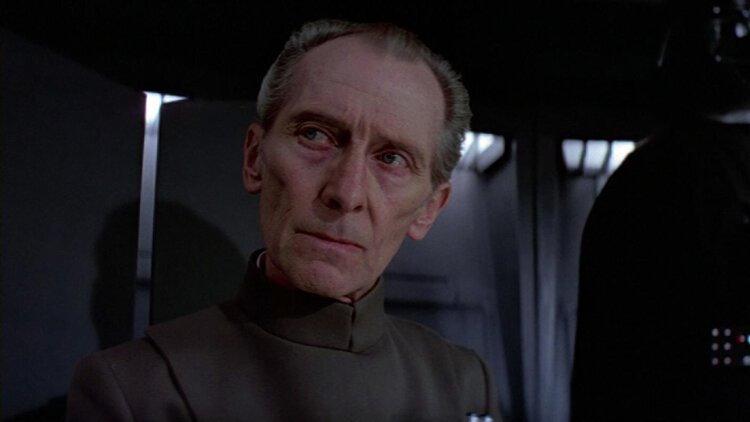
That detail matters because it suggests something beyond obedience to a powerful superior. Tarkin recognizes a familiar way of working with soldiers, even beneath Vader’s armor and brutality.
Anakin’s fall did not erase his battlefield experience. Vader still knows how to fight alongside troops, take control of an attack, and make his presence count. His soldiers do not need to know his former identity to respond to those qualities.
Tarkin also shows why the officers’ side cannot be reduced to universal hatred. He recognizes Vader’s abilities and can work with him. Fear, respect, and resentment can exist together, with the balance depending on the person and the situation.
Their Devotion Did Not Make Them Safe
The darkest part of this relationship is that Vader could inspire loyalty without showing the same loyalty in return.
In Star Wars (2015) #1, Chewbacca fires at Vader during the Rebel attack on the weapons factory on Cymoon 1. Vader deflects the opening shot, then uses the Force to lift two stormtroopers into the path of the incoming fire as human shields.
He follows that by bringing down Chewbacca’s elevated position.

Those soldiers are serving beside him, yet he treats their bodies as something he can put between himself and a threat. Whatever admiration the corps has for Vader, it does not guarantee that he values an individual trooper’s life.
This is what makes his reputation so unsettling. His soldiers have a real reason to admire his effectiveness: they have seen him face dangers alongside them and accomplish things they cannot. But fighting at the front does not make him a caring commander.
The same power that breaks an enemy position can turn on the men following him. Stormtroopers could look at Vader and see their best chance of winning, even while remaining completely expendable to him.