In A New Hope, Obi-Wan tells Luke that he fought alongside his father in the Clone Wars. For years, that brief exchange left writers plenty of room to imagine what the war had been like. Some pictured a long peace before the Empire, while one author assumed the Jedi had fought against the clones. And in an early draft of The Empire Strikes Back, the war had left a mark on someone who had nothing to do with Obi-Wan’s story.
1. The Republic Had Decades of Peace After the War
The 1994 edition of A Guide to the Star Wars Universe placed the Clone Wars roughly 35 years before A New Hope. Timothy Zahn also recalled being given roughly that date when he was writing his Star Wars novels. That put the conflict much farther back in Obi-Wan’s life than the prequels eventually would.
The Farlander Papers, a companion book for the original X-Wing game, gave the Republic decades of peace between the Clone Wars and the rise of the Empire. Palpatine was elected president during the war, but his declaration as emperor and the destruction of the Jedi came much later. In that version, people had time to go home, rebuild, and believe the Republic had made it through.
The prequels take away that breathing room. The clone army enters the war at Geonosis and fights for three years. By the end, Palpatine can use the same army to wipe out the Jedi and turn the Republic into his Empire. The emergency that gives him the army also gives him a reason to keep the Jedi scattered across the galaxy, fighting beside the soldiers who will turn on them.
That’s what makes Yoda’s reaction at the end of Attack of the Clones stick. Obi-Wan calls Geonosis a victory because the clones saved them. He’s right about the battle. Yoda is looking at what it cost the Republic to win it.
2. The Jedi Could Have Fought Against the Clones
When Timothy Zahn wrote Heir to the Empire, he assumed that the clones had fought against the Republic. Imperial captain Gilad Pellaeon remembers early clones his fleet had encountered and how unstable some of them were. Zahn later pointed out that he’d gotten the sides backward in his notes for the novel’s 20th-anniversary edition. By chance, the wording still worked after the prequels. Pellaeon remembered encountering the clones, which left room for them to have been allies.
Zahn explored what made a clone army so frightening in The Last Command, a novel set after the original trilogy. Talon Karrde recalls an old rule of thumb that a clone needed at least a year to be stable enough to trust with a warship. The older documents discussed in the scene suggest an even longer period. An army that can grow its own replacements has every reason to speed things up, and the people who pay for that shortcut are the ones being grown.

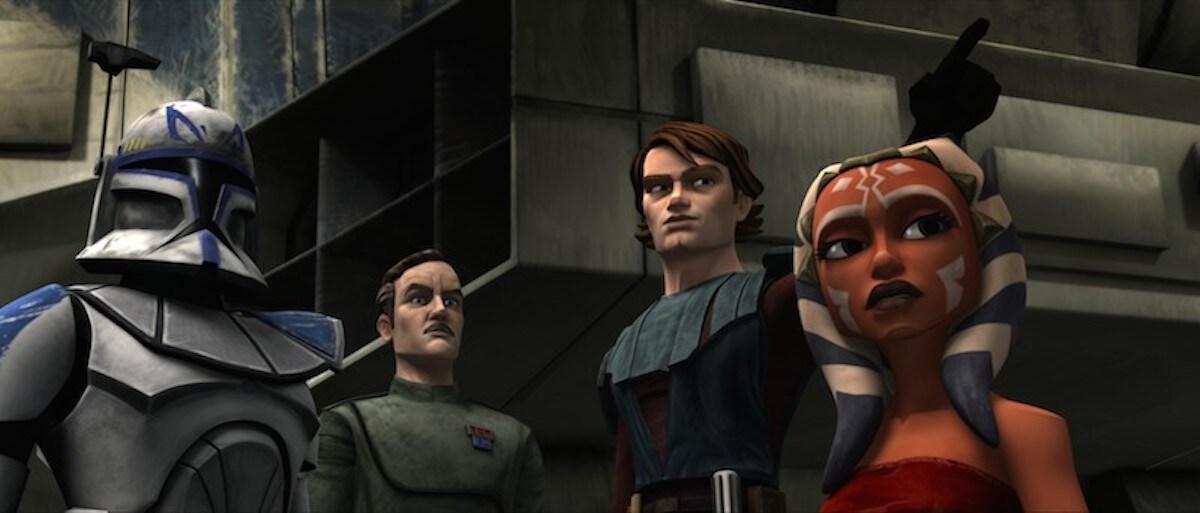
The prequels make the clones the people you’re relieved to see. The Jedi are surrounded in the Geonosis arena when Yoda arrives with white-armored soldiers who already look a little too familiar. Then The Clone Wars gives those soldiers time to become individuals. Rex grows close to Anakin and Ahsoka, Cody earns Obi-Wan’s trust, and Cut Lawquane leaves the army to live with his family. They share Jango Fett’s face and want very different things out of life.
Order 66 takes those choices away. On Utapau, Cody hands Obi-Wan back his lightsaber shortly before receiving Palpatine’s order. Then he tells his troops to fire on him. The two moments are so close together that you can see exactly what Palpatine’s order takes from both of them.
3. Lando Almost Came From a Civilization of Clones
At a November 1977 story conference for The Empire Strikes Back, George Lucas described Han’s old friend as an elegant gambler and con artist. He also floated the idea that the character came from one of the ruling clone clans. Lucas imagined clone worlds divided into hundreds of countries, throwing out roughly 700 as a possibility. The clones might have been partly responsible for the war, and Leia might have distrusted Han’s friend because of where he came from.
Leigh Brackett carried the idea into her first screenplay draft. Her version of the character was called Lando Kadar, and Han said his family were refugees from the Clone Wars. Lando told Leia he was a clone of the Ashardi family. His great-grandfather had used his own cells to produce sons, and his sister had done the same to produce daughters. Few members of the family remained after the wars, and those who did tried to stay out of sight.

The detail that makes the scene work is how Lando remembers walking through cities full of people with his face. For him, those familiar faces meant home. Now he’s surrounded by people who all look different, and that’s when he feels alone. The draft gives him that moment with Leia just before he hands the group over to Vader.
The Lando who made it to the screen kept the charm, the gambling, and the messy history with Han. Vader still corners him into choosing between his friend and the city he runs. With Brackett’s backstory, that choice would have carried an extra loss. Lando already knew what it felt like to lose a place where he belonged, and now Vader was threatening another one.