
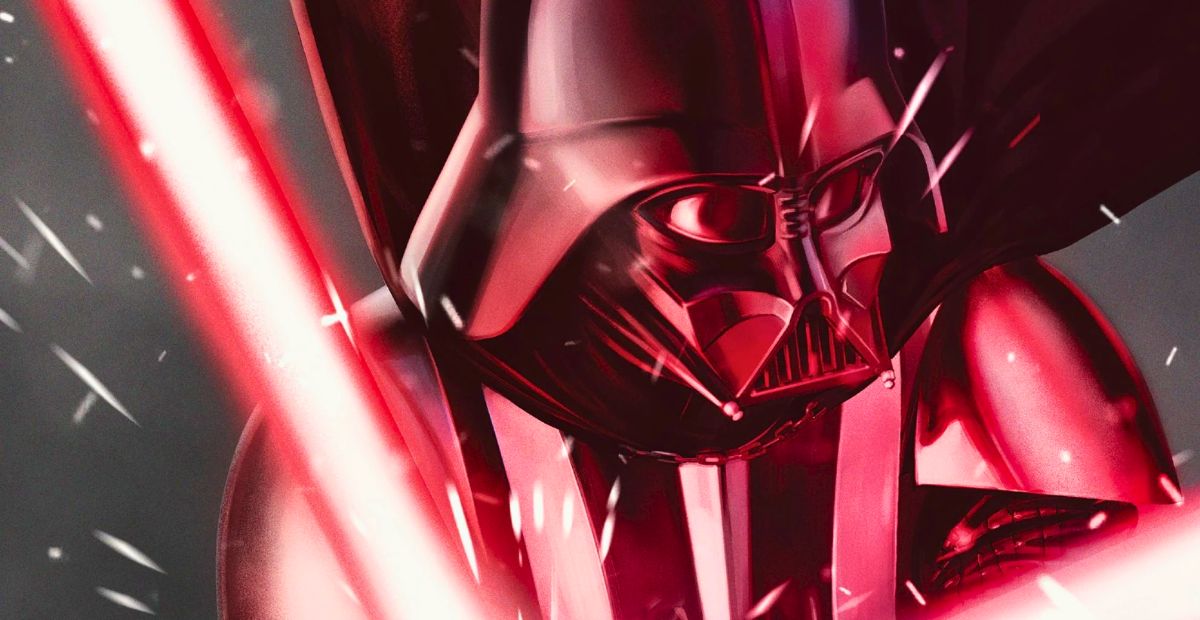
Vader had survived Jedi, assassins, and entire battlefields, but this time the danger came from two people trained to serve him. Their escape turned the Imperial capital into a deadly obstacle course, with traffic, buildings, and civilians caught in the middle. When the hunt ended, Vader expected to report a clean victory. Instead, he found his master waiting with a very different judgment.
Vader Found The Weakness He Hated Most
The incident takes place in Darth Vader (2017) #20, during the Empire’s hunt for Jedi survivors. Vader had just tracked down former Jedi Council member Eeth Koth with help from the Imperial Inquisitors. Two members of that group, Iskat Akaris and Tualon Yaluna, became his next targets almost immediately.

Iskat, known at the time as the Thirteenth Sister, had shown a brief moment of mercy during the mission. Koth’s wife Mira tried to escape with their Force-sensitive baby, and Iskat initially allowed them to go. She changed course after realizing that the Fifth Brother had seen what happened. The child was taken for Project Harvester, while Mira escaped.
That was enough to make Vader suspicious, but he did not hold a hearing or ask the Inquisitors to explain themselves. He walked into their headquarters on Coruscant, ignited his lightsaber, and struck at Iskat.
Tualon blocked the blow.
That single choice told Vader everything he needed. Tualon had placed Iskat above his duty to the Inquisitorius, and the two were bound by a romantic attachment. As former Jedi, they knew why attachment could be dangerous. As servants of the Sith, they were surrounded by masters who used every private feeling as a weapon.
Vader also had a deeply personal reason to hate what he saw. Anakin Skywalker’s secret marriage to Padmé had shaped his fall, and losing her had become the central wound of his life. Iskat and Tualon reflected a part of him that he could not tolerate. Their relationship was not just disobedience. To Vader, it looked like weakness, betrayal, and a reminder of the man buried inside his armor.
Tualon and Iskat fled before Vader could kill them inside the headquarters. The Grand Inquisitor offered to help. Vader refused.
This was now personal.
The Hunt Ripped Through Coruscant’s Skylanes
Vader joined two Coruscant Guards in an airspeeder and told them they were hunting a male and female Jedi. Calling the fugitives Jedi was useful. It turned an internal failure into a familiar Imperial threat and gave the chase a cleaner public story.
Iskat and Tualon attacked first. Their spinning lightsabers cut into Vader’s transport, forcing him to leap from one moving vehicle to another above the capital. They threw speeders at him with the Force. Vader cut through some and sent others back. A huge statue was dropped onto him and drove him toward a balcony below.

Vader was not the only person causing the destruction. Iskat and Tualon attacked his transport, hurled speeders, and dropped the statue. Vader kept chasing them through one of the most crowded places in the galaxy, redirected vehicles without concern for where they would land, and treated every civilian in the area as acceptable damage.
One falling speeder struck a park and killed Senator Maklooq, a Gran representative from Malastare. She was not a random victim from Palpatine’s point of view. She was important to plans he had not yet completed.
That death changed the political meaning of the chase. Vader was supposed to remove threats to Imperial control. Instead, his public rampage killed someone the Emperor still needed and made the Empire look unable to control its own agents in its own capital.
The Inquisitors Never Really Beat Vader
After the statue hit Vader, Iskat and Tualon believed they had finally brought him down. For a moment, their plan seemed to work. They had escaped the headquarters, survived the chase, and buried the Dark Lord beneath tons of stone.
Then Vader reached out with the Force and stopped both of them in midair.

He did not simply cut them down. He turned their lightsabers toward each other and drove the blades through their bodies. The two lovers died facing one another, killed by the bond that had pushed them to rebel.
The method was cruel even by Vader’s standards, but it was also deliberate. He made their attachment part of the punishment. They had chosen each other over obedience, so Vader used each of them to kill the other.
Palpatine Was Angry About Control, Not Compassion
Vader reported the deaths as the removal of two traitors. Palpatine did not accept that explanation without challenge. He asked for evidence, forcing Vader to explain Iskat’s actions during the hunt for Eeth Koth and the attachment between the two Inquisitors.
The Emperor’s real anger was aimed at what happened across Coruscant. Vader had cut a path of destruction through the capital and killed a senator who mattered to his plans. Palpatine also understood the public message. If he could not control Vader and the Inquisitorius on Coruscant, subjects across the Empire might question how much control he truly had elsewhere.

Palpatine was not mourning the civilians. He did not suddenly object to terror or mass death. He had built an Empire through war, murder, and fear. His problem was that Vader’s violence had damaged the machinery of government instead of strengthening it.
That is the key difference between the two Sith in this scene. Vader uses terror like a blade. He sees a target, cuts through everything in his way, and leaves the consequences behind him. Palpatine uses terror as one part of a much larger system. Senators, laws, officials, secret police, and propaganda are all tools, and he expects each one to remain useful until he decides otherwise.
Vader had won the fight but disrupted that system. His success still created a political problem, so Palpatine changed how the Inquisitorius operated. The organization was removed from Coruscant, and its later headquarters stood at Fortress Inquisitorius on Nur, a moon in the Mustafar system.
Then Palpatine Rewarded Him Anyway
The reprimand did not mean Vader had failed completely. He had killed Eeth Koth, eliminated two compromised Inquisitors, and preserved the fear surrounding his name. Palpatine still considered him useful.
When Vader explained that Koth had hidden as a priest, Palpatine laughed at the former Jedi for choosing a life so close to his old one. Then the Emperor presented Vader with a reward, Padmé Amidala’s restored Naboo Royal Starship.
It was not a kind gift. Palpatine knew exactly what that ship meant. He was reopening Vader’s deepest wound, placing a piece of Padmé directly in front of him, and reminding his apprentice that even private grief could be owned and controlled by the Emperor.
Palpatine then ordered Vader to go to Alderaan and deal with Bail Organa. Vader answered with a rare and direct refusal. He wanted something else, a world of his own.
The Emperor offered Naboo, connecting Vader to Padmé, and Tatooine, connecting him to slavery, his mother, and years of suffering. Vader rejected both. He chose Mustafar, the world where Obi-Wan Kenobi defeated him and where Anakin Skywalker was finally consumed by Darth Vader.
That choice leads directly into the construction of Fortress Vader. The same issue that begins with a forbidden relationship ends with Vader choosing to live on the ground where his own relationship, body, and identity were destroyed.