
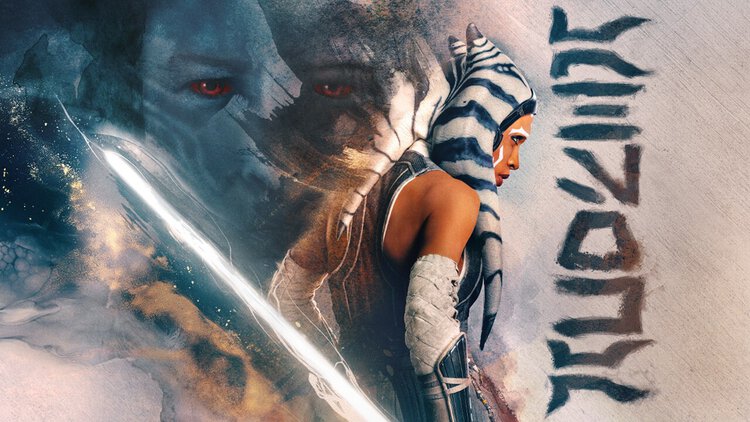
The jump from Return of the Jedi to The Force Awakens leaves a frustrating question: how did the galaxy end up fighting another version of the Empire? The Rebels won, but the films spend little time showing what happened to the peace they built. Ahsoka season 2 has a chance to make that missing chapter matter. With Thrawn returning and former Rebels defending the New Republic, the story can show how a victory becomes something people have to protect.
Thrawn Gives the Years After Endor a Story Worth Following
Ahsoka season 2 premieres on Disney+ on January 20, 2027. The official announcement confirms Thrawn’s return to rally the Imperial remnant, with Ezra Bridger fighting for the New Republic.
That setup addresses something the sequels largely leave in the background. We see the Rebels celebrate the Empire’s defeat, then meet a later generation facing the First Order. What gets less attention in the films is the struggle between those moments: rebuilding a government while the people who supported the old one are still out there.
Thrawn gives that struggle a clear threat. Scattered Imperial forces are dangerous enough, but a commander who can bring them together changes the problem. The New Republic would have to recognize that shift and respond before separate holdouts become a larger war.
For Ezra and Hera, the stakes are personal. They fought the Empire before there was a New Republic to defend. Watching them protect the peace gives the original victory some weight, even with the knowledge that another conflict is coming.

The New Republic Needs More Than Another Scene of Officials Ignoring Warnings
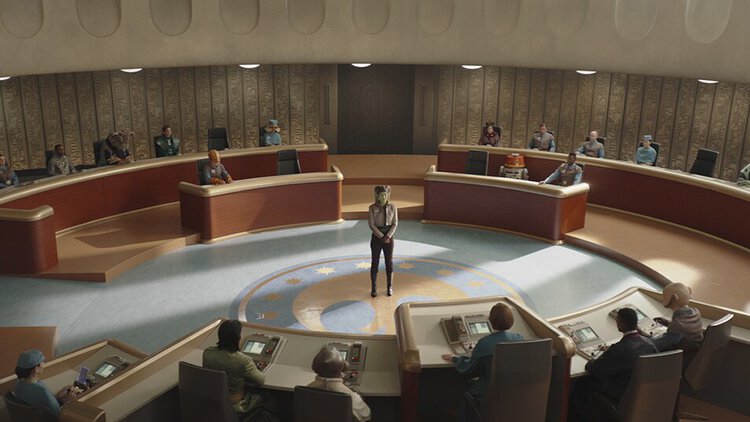
The challenge is making the New Republic’s mistakes understandable. If every official dismisses obvious danger simply because the story needs the First Order to rise, the government starts to feel like an obstacle written into the script.
Its desire to move on from war has a reasonable basis. The New Republic restored the Senate, signed the Galactic Concordance, and drastically reduced its military. After Imperial rule, people wanted civilian government and peace. Leia’s warnings about surviving Imperial ambitions eventually put her at odds with that political direction.
The interesting conflict is how those goals collide. How much should a recovering government spend on another possible war? When does caution become denial? And how do former Rebels convince people that defending peace sometimes requires fighting again?
Hera’s experience in the first season already gives those questions a human face. She recognizes the danger, but getting the government to act is another battle. Season 2 can build on that by giving the disagreement consequences beyond another frustrating hearing.
The Connection to the Sequels Is Already There
The Mandalorian has already connected Thrawn’s expected return with the Empire’s longer plans. In “Chapter 23: The Spies,” Pellaeon explains that Thrawn’s military resurgence would give Commandant Brendol Hux time to deliver on Project Necromancer.
That makes Thrawn’s campaign potentially important beyond the battles themselves. A visible military threat could occupy the New Republic while other Imperial efforts continue behind the scenes. It is a plausible direction for the story because the connection already exists in dialogue.

The distinction is that Thrawn does not need to personally build the First Order or engineer Palpatine’s return for his actions to help explain the sequel era. Different Imperial factions can pursue different goals while benefiting from the same instability.
That would make the transition more convincing. The Empire’s defeat would still matter, but destroying its central leadership would not automatically erase its networks, resources, or ambitions. The next conflict could grow from what survived rather than feeling as though the galaxy simply reset.
Anakin Can Add the Personal Connection the Politics Cannot
The political story explains what happened to the galaxy. Anakin’s relationship with Ahsoka offers a way to explore what happened to the people who survived its earlier wars.
Hayden Christensen returns as Anakin, continuing to advise and challenge his former apprentice. That relationship carries a history few other characters share: Ahsoka knew the teacher before she knew he had become Darth Vader.
The sequels explore the Skywalker legacy through Luke, Leia, and Ben Solo, but Anakin has little direct presence beyond his voice in The Rise of Skywalker. Ahsoka offers another perspective on him, shaped by years of trust, separation, and the discovery of what he became.
The strongest material would come from how that history affects her choices. What does she keep from his teaching? What does she change when teaching Sabine? Accepting that Anakin returned to the light does not erase the damage he caused or make his former student’s feelings simple.

A Better Bridge Would Be a Meaningful Improvement
The argument that season 2 could improve the sequel trilogy is strongest when it focuses on that missing transition. Showing the New Republic trying to survive can make its eventual fall more painful, while showing Imperial factions regroup can make the First Order’s rise less abrupt.
More background will not change the pacing or character choices inside Episodes VII–IX. But it can give their setting a stronger foundation and make the years after Endor feel like a real period of history.
What makes Ahsoka season 2 promising is the chance to watch people fight for the future they thought they had won. If Thrawn’s return makes that struggle compelling, the road to the sequels becomes more believable—and the New Republic finally gets a story worth caring about before it falls.