
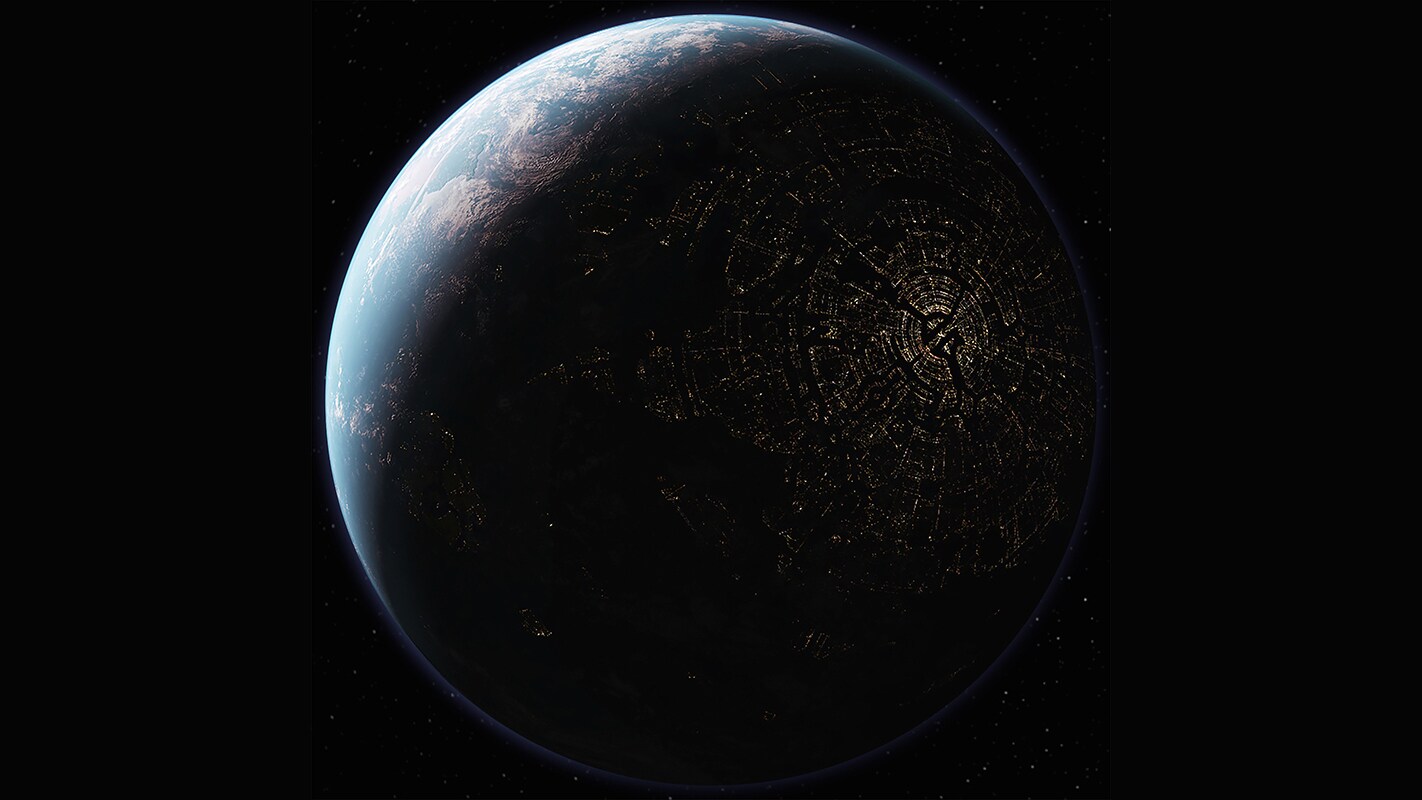
The destruction of Hosnian Prime is one of the biggest turning points in the sequel trilogy. In a few minutes, Starkiller Base wipes out the New Republic’s capital, Senate, and much of its central fleet. The scene is meant to make the First Order feel terrifying, but it also changes the kind of story the sequels can tell. The real question is not whether the attack worked for the villains – it clearly did – but whether erasing the Republic so quickly was the right creative choice.
1. It Turned the Original Trilogy’s Political Victory Into Backstory
The ending of Return of the Jedi was bigger than one battle. The Rebels defeated the Emperor, helped bring down the Empire, and opened the door for a new democratic government. Yet movie audiences barely got to see that government before it vanished.
According to the official StarWars.com New Republic Databank, the Rebel Alliance became the New Republic after Endor. It restored the Senate, signed the Galactic Concordance with the Imperial remnants, and drastically reduced its military. Those choices tell us that the heroes did build something real. The New Republic was imperfect, but it was not meaningless.
That is why the criticism needs one fair caveat: the sequels did not literally erase everything achieved in the original trilogy. The Empire was defeated, and the Republic existed for roughly three decades before the next full galactic war. The problem is that most of that achievement happened outside the sequel films. On screen, the Republic appears mainly as a few distant planets seconds before their destruction.
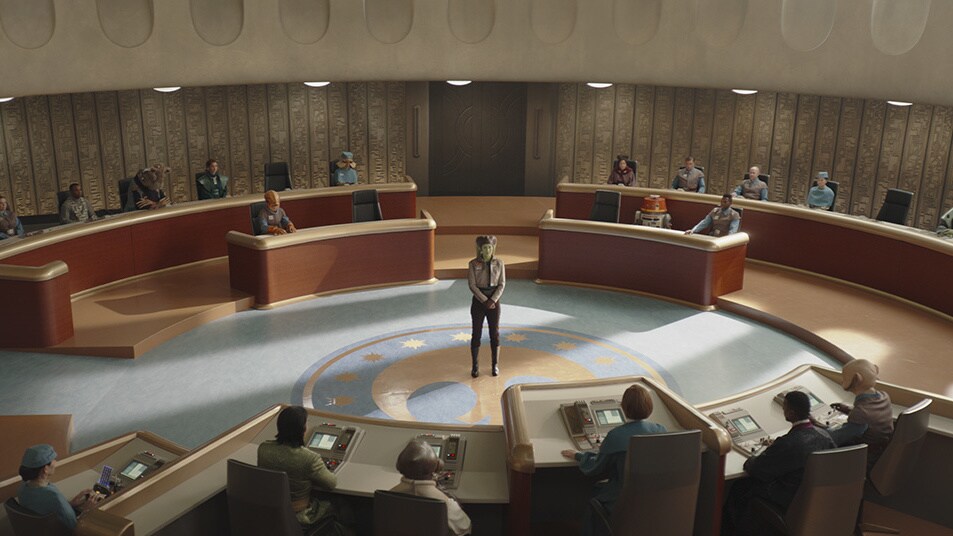
A stronger sequel story could have let viewers experience what Leia, Mon Mothma, and the Rebellion had built. We could then understand why that system was worth defending, why some people distrusted it, and why its failures hurt. Instead, its fall feels less like the tragic destruction of the heroes’ legacy and more like a piece of setup being removed from the board.
2. It Forced the Galaxy Back Into Rebels Versus Empire
The First Order’s attack makes tactical sense. The official Starkiller Base Databank says its first shot obliterated Hosnian Prime, the New Republic capital. Canon sources also explain that the strike destroyed the Senate and the Home Fleet, leaving the Republic politically and militarily shattered.
But what worked for General Hux also made the sequel conflict feel familiar very quickly. The First Order became the dominant military power, while Leia’s Resistance became a small band of fighters running from overwhelming forces. In other words, the galaxy returned to a version of the same basic setup as the original trilogy: a powerful authoritarian regime against an underdog rebellion.

That reset cost the sequels a chance to explore a genuinely new conflict. Imagine a weakened Republic trying to fight a growing First Order while arguing over how much military power the central government should have. Some systems might support Leia. Others might remain neutral, protect their own borders, or quietly side with the First Order. Former Imperial worlds could demand representation while secretly sheltering loyalists. The Resistance could be both a military force and a political movement trying to convince a divided democracy to act.
Instead, the Republic is removed before that tension can become the main story. Starkiller Base is visually larger than the Death Star, but its narrative job is strangely familiar: destroy a political center, prove the villains are dangerous, and clear the way for another rebellion.
3. It Threw Away the Richest New Story the Sequel Era Had
The New Republic was not a perfect government waiting to be saved by perfect heroes. That was exactly what made it interesting.
Canon gives it several believable problems. The Republic demilitarized because its leaders feared repeating the Empire’s concentration of power. Leia warned that Imperial elements were reorganizing, but political leaders did not take the First Order seriously enough. Wookieepedia’s canon summaries of the New Republic also describe a Senate divided between Populists, who wanted more power for individual worlds, and Centrists, who favored a stronger central government. Those disagreements created opportunities for deadlock, manipulation, and First Order influence.
None of that automatically means democracy was doomed. It means the sequel trilogy had a strong political conflict ready to use. The heroes could have fought to reform the Republic instead of simply replacing it with the Resistance. Leia could have faced the painful difference between winning a revolution and governing after one. Finn, a former stormtrooper, could have shown the Republic what was happening beyond its comfortable core. Rey could have entered a galaxy where the old heroes’ victory created real freedom but left serious cracks.
This would also have given the First Order a more unsettling role. Rather than appearing as an instant Empire with a different uniform, it could have grown through fear, propaganda, political allies, and public frustration. That kind of enemy would still allow space battles and lightsaber fights, but it would make the conflict feel like a consequence of the New Republic’s choices – not just history repeating itself.
4. Hosnian Prime Did Not Have Alderaan’s Emotional Grounding
Alderaan is not on screen for long in A New Hope, but the audience has a human connection to it. Leia is forced to watch her homeworld die. We know her father is there. The destruction is personal before it becomes a statistic.
Hosnian Prime does not receive the same foundation in The Force Awakens. The official Hosnian Prime Databank explains that it was hosting the Senate under the Republic’s rotating-capital system. The official Korr Sella Databank explains that Korr was Leia’s envoy to the Senate and died in the attack. Those are important facts, but the movie gives viewers very little time to learn them.

Korr appears briefly on a balcony as the weapon’s beam approaches. Without material outside the movie, many viewers do not know who she is, why Leia sent her, or what her death means to the Resistance. The film shows enormous scale, but it does not build enough emotional weight around the specific people and institutions being lost.
This is also why some viewers initially mistook Hosnian Prime for Coruscant. That confusion is not proof that the planets look identical; it shows how little the theatrical story establishes the location. A short Senate scene, a conversation between Leia and Korr, or even a clearer look at the Republic’s political debate could have changed the entire sequence. The audience would not just see planets explode. We would understand whose last chance to act had just disappeared.
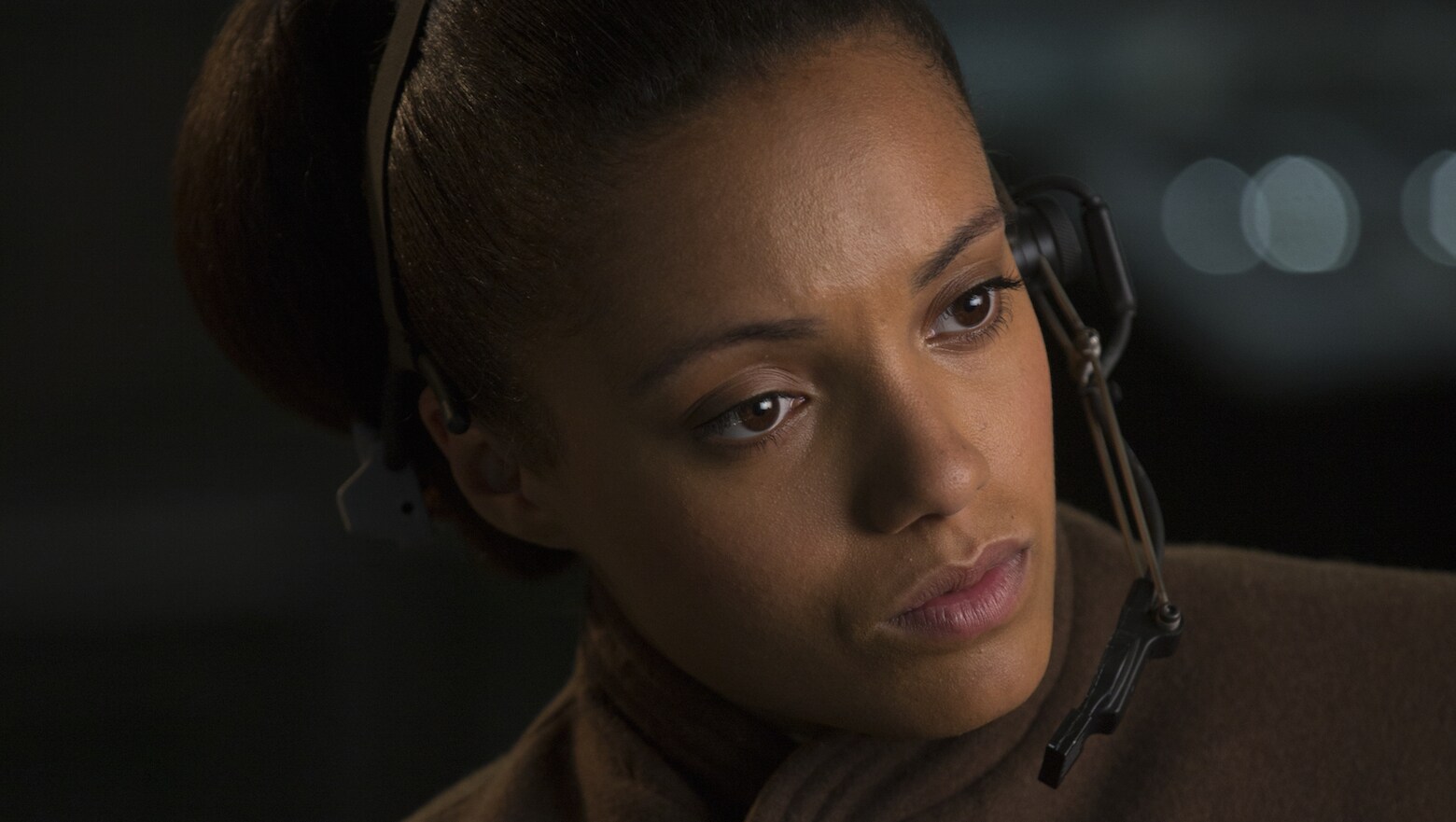
The scene moves quickly to the Resistance attack on Starkiller Base. That keeps the movie fast, but it leaves little room for grief. Billions die, the central government collapses, and the story soon returns to the immediate mission. A galaxy-changing disaster deserves more than scale; it needs characters through whom the audience can feel the loss.
5. It Left the Trilogy With a World-Building Hole
Hosnian Prime was the current capital, not the only important world in the Republic. StarWars.com confirms that the Senate rotated among member worlds rather than remaining permanently on Coruscant. That makes the next question unavoidable: why did destroying one system cause the Republic to collapse so completely?
Canon does provide an answer. Wookieepedia’s canon account of the Hosnian Cataclysm says the attack destroyed the Senate and the Home Fleet. Its summary of the New Republic Defense Force explains that the Home Fleet was the Republic’s largest fleet. After the strike, important member worlds recalled surviving forces to protect their own systems, fragmenting the unified response.
That chain reaction is believable: kill the national leadership, destroy the largest central fleet, create panic, and force every surviving government to think locally. The problem is that the sequel films barely show it. The Last Jedi begins almost immediately after The Force Awakens and focuses on the Resistance’s escape. We do not see emergency leadership, surviving senators, loyalist fleets, First Order collaborators, or frightened systems deciding whether to surrender.
As a result, the First Order seems to move from hidden threat to galactic ruler at plot speed. Books and later shows can add useful context, but they cannot give the sequel trilogy scenes it never included. For viewers following only the films, the galaxy shrinks into the Resistance fleet, the pursuing First Order ships, and a few named locations.