Every Sith Lord had two deaths. The first was the life they left behind. The second was the name they stopped using. Anakin Skywalker became Darth Vader. Count Dooku became Darth Tyranus. Palpatine ruled the Republic as a Chancellor, but the Sith knew him as Darth Sidious. So why did the Sith keep adding “Darth” to their names, and what did that title actually mean?
Bane Saw Darth As A Title Of Sith Power
In Secrets of the Sith, Darth Bane explains that taking the title “Darth” was a deliberate claim to power. Kaan and the Brotherhood of Darkness had rejected it, but Bane saw the title differently. To him, “Darth” carried authority, and that authority came from Sith history, not from a council, army, or group of followers deciding who deserved respect.
Bane calls it “a title of power” because it separated a true Sith Lord from ordinary dark side followers. The Brotherhood treated the Sith like a collective cause, with many warriors standing together under Kaan. Bane believed that made the Sith weaker, because shared power created compromise. By taking the title Darth, he placed himself outside that system and claimed the older Sith idea of personal domination.
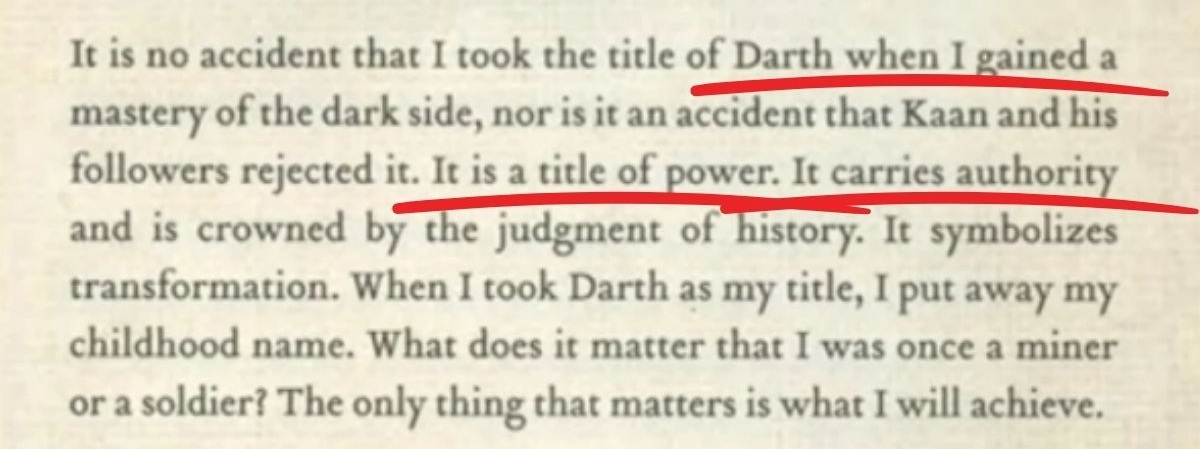
He also says the title is “crowned by the judgment of history.” Bane was not interested in whether Kaan’s followers accepted him. His point was that history would decide who truly carried Sith power. Kaan and the Brotherhood died at Ruusan, while Bane and Zannah survived and restored the Sith through the Rule of Two. In Bane’s view, that survival proved the title belonged to the Sith who could actually reshape the future.
Darth Was Defined By Those Who Carried It
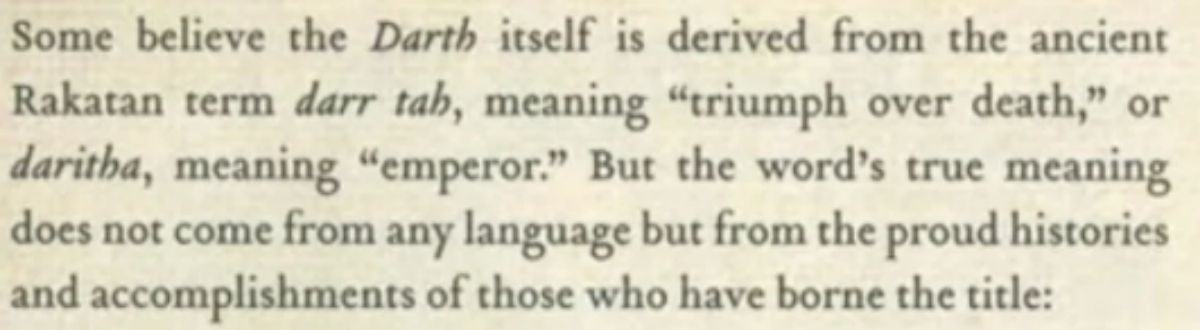
Bane also says some believed the word “Darth” came from the ancient Rakatan language. One possible origin was darr tah, meaning “triumph over death,” while another was dari tha, meaning “emperor.” Both ideas fit Sith history, because the Sith were built around conquest, rule, survival, and breaking the limits placed on ordinary beings.
But Bane says the word’s true meaning did not come from any language. It came from the proud histories and accomplishments of those who had carried the title.
A Sith Lord gave the title meaning through what they achieved. If a Darth conquered worlds, destroyed enemies, built an empire, or changed the future of the Sith, their actions became part of what the title represented. The name carried weight because generations of Sith had used it while trying to bend the galaxy to their will.
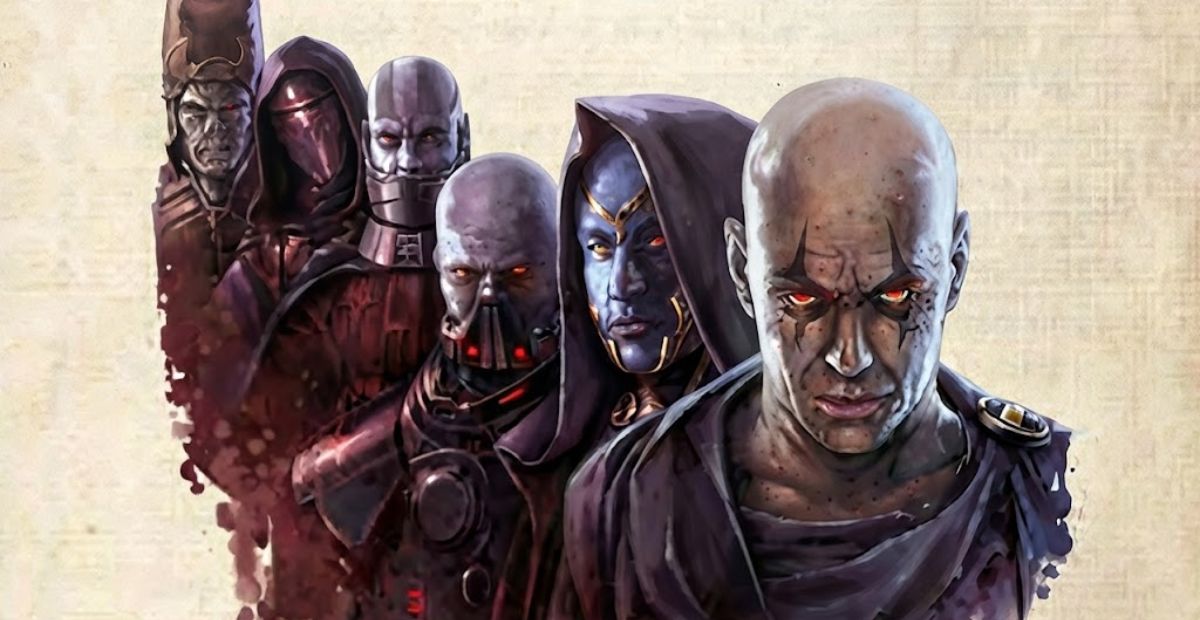
Bane then gives examples of the Sith Lords who made the title feared. Darth Andeddu was remembered as the god-king of Prakith, obsessed with living forever. Darth Revan and Darth Malak built a new Sith Empire strong enough to rival the Republic across the galaxy. Darth Malgus led his troops into the Jedi Temple during the Sacking of Coruscant. Darth Ruin abandoned the Jedi Order to follow his own philosophy of self-interest, and his actions helped begin the thousand-year war that ended at Ruusan.
Those names explain what Bane meant. The title “Darth” was tied to Sith who did more than use the dark side. They ruled, conquered, destroyed Jedi, built empires, and left scars on galactic history.