
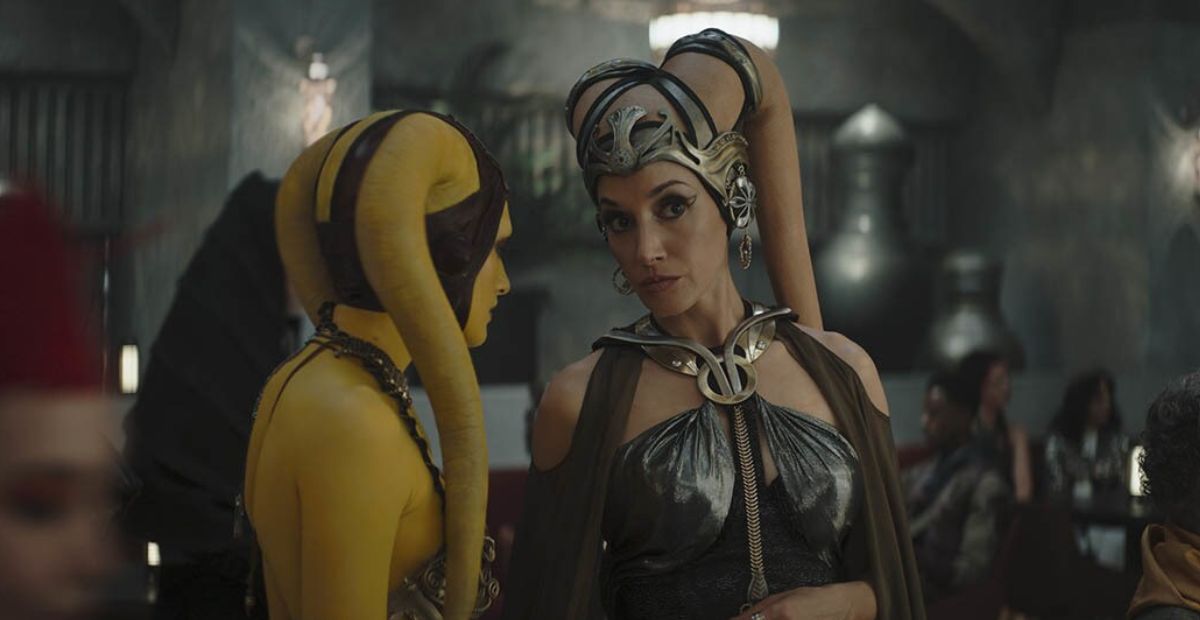
Twi’leks are one of the most recognizable species in Star Wars, but the galaxy also tied them to one of its darkest trades.
From Jabba’s palace to the criminal underworld, Twi’leks were often treated as slaves, dancers, servants, and status symbols. That reputation did not come from nowhere. It came from Ryloth’s vulnerability, the Hutt Cartel’s influence, and slave-trading powers like the Zygerrians.
Their homeworld made them easy to exploit, and the galaxy’s worst criminals turned that suffering into a market.
Ryloth Was Easy For Criminal Empires To Exploit
Ryloth’s location made the Twi’leks vulnerable long before the Empire came for them. Their homeworld sat in the Outer Rim, far from the strongest protection of the Republic, but close enough to major trade routes for smugglers, Hutts, slavers, and spice dealers to reach it. In Legends, Ryloth was also tied to ryll spice, a valuable substance that attracted outsiders who saw the planet less as a homeworld and more as a resource to control.
Once criminal groups entered that economy, the Twi’leks themselves became part of the trade. The Hutts took interest in Ryloth’s mines, its shipping routes, and eventually its people. Twi’leks could be forced into labor, moved through underworld markets, or sold to wealthy criminals who wanted servants, dancers, and trophies.
This is where the species’ association with slavery really begins. Ryloth was not just poor or unlucky. It was useful to the galaxy’s worst people: close to crime routes, rich enough to exploit, and weakly protected enough for syndicates to keep taking from it.
The Hutts And Zygerrians Built A Slave Trade Around Them

The Hutts did more than take control of Ryloth’s spice economy. They used Twi’leks as laborers in mines, moved them through underworld shipping routes, and sold them to buyers across the galaxy. Some were kept as domestic servants or palace attendants, while others were forced to work as dancers in cantinas and criminal courts.
The Zygerrians expanded the same trade on a larger scale. Their empire had grown wealthy by capturing and selling slaves, and when Jedi pressure pushed slavery out of legal trade, they continued operating through the underworld. Twi’leks were among the species caught in that system, especially where Hutt kajidics and other syndicates controlled the transport and buyers.
By the time of Jabba, Twi’lek slaves were already common in Hutt-controlled spaces. Oola’s captivity in his palace was part of a trade that had carried Twi’leks from Ryloth into mines, households, clubs, and palaces across the galaxy.
Twi’lek Women Became Status Symbols
Female Twi’leks were targeted more heavily because their beauty, grace, and dancing became valuable to wealthy criminals. Instead of being treated as people, they were sold as servants, entertainers, companions, and trophies that owners could display in palaces, clubs, and private households.
Even powerful Twi’leks participated in that culture. Senator Orn Free Taa kept female Twi’lek aides beside him as signs of wealth and influence, while crime lords and syndicates used enslaved Twi’lek women to entertain guests and display their power.

That treatment spread far beyond Ryloth. Twi’lek women could be found working in cantinas, private estates, healing establishments, and criminal courts across the galaxy, and the trade continued even after governments changed because groups like the Hutts, Pykes, and other underworld powers still controlled the markets that bought and sold them.