
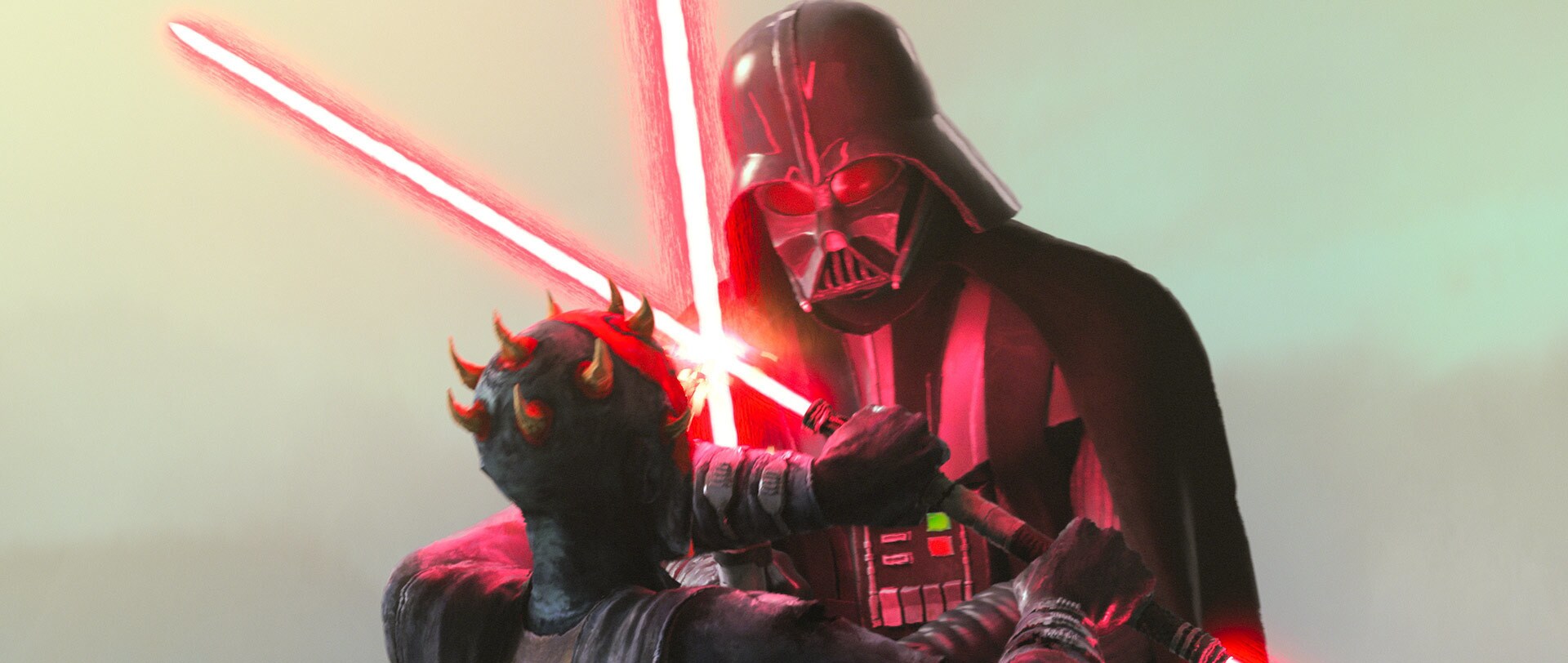
Maul has spent most of his life making other people afraid. Then Darth Vader arrives in Maul – Shadow Lord, and suddenly the fear is on Maul’s face. Their clash puts two of Darth Sidious’s former and current apprentices in the same fight, but Dave Filoni wanted more than a lightsaber showdown. His explanation makes that encounter much darker.
Vader Has Buried The Man Maul Is Still Fighting To Escape
For Filoni, the key difference is what hatred has done to each of them. Maul is still struggling with it. Vader has built his identity around refusing to face the person he used to be.
At the show’s May 2026 finale event, Filoni put it plainly: “Maul is struggling to let go of hate, but Anakin got consumed by it.”
That is not a claim that Maul has become kind. It describes two different kinds of damage. Maul knows he was used and discarded by Sidious. He resents it, fights against it, and keeps trying to build something that belongs to him. Vader serves the man who deceived him, while destroying people connected to the life he lost.
Anakin turned to the dark side because he believed it could save Padmé from dying. Instead, he helped destroy the Jedi, fought Obi-Wan on Mustafar, and ended up in the armor without the future he had wanted. The promised rescue became a terrible trade.
Filoni’s reading is that Vader cannot accept that truth. A Jedi is not simply an enemy standing in his way. A Jedi can remind him that he betrayed his friends, his upbringing, and everything he once claimed to defend. Destroying that reminder is easier than facing it.
In the official finale interview, Filoni calls Maul a “broken, scrambling version of evil.” Vader brings power and evil together in a “more perfected version,” becoming “more powerful, more destructive, more of a weapon for the Emperor.”
Maul is trying to rebuild his position outside Sidious’s control. Vader arrives as the Emperor’s weapon to tear that work apart. This is why the encounter hurts beyond the physical beating: the discarded apprentice has to face the terrible effectiveness of the apprentice who now serves his old master.

Vader’s Silence Is Part Of The Threat
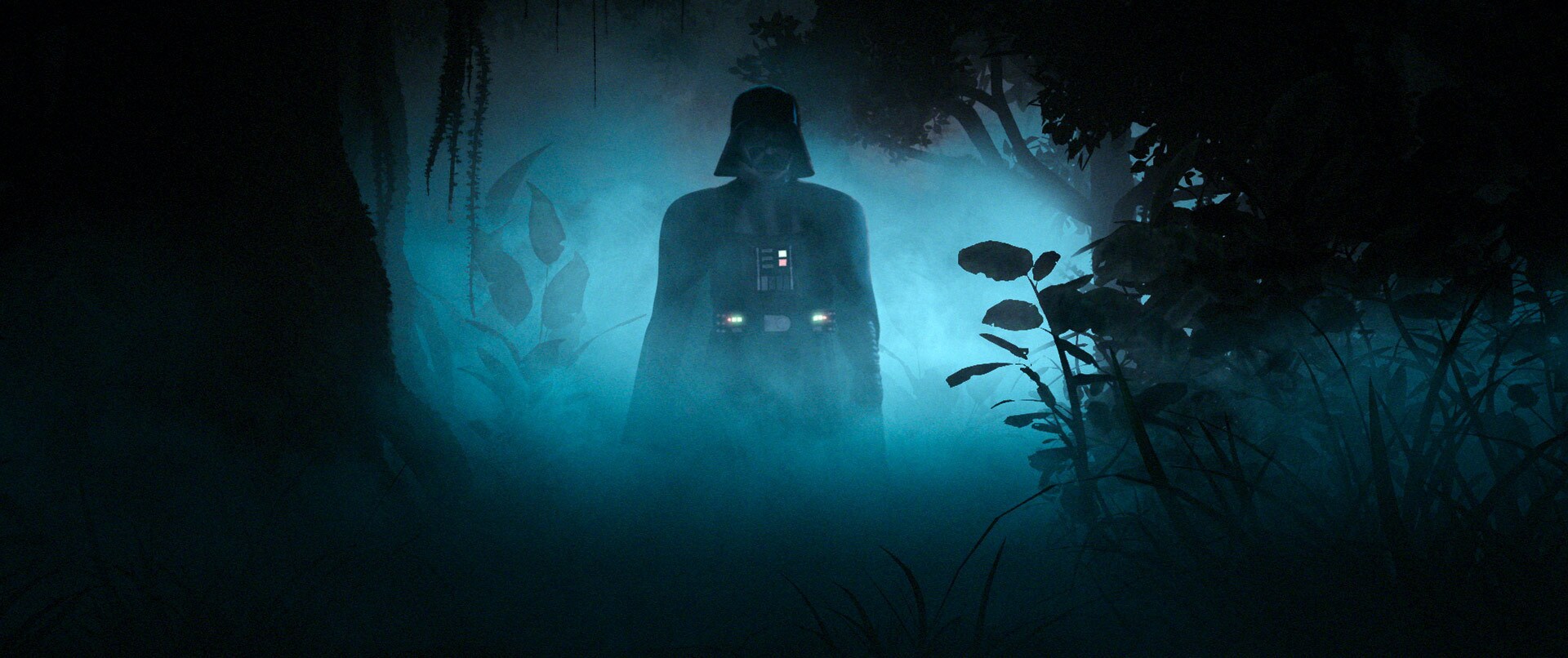
Vader does not trade insults with Maul. He does not explain his mission or offer a speech about the dark side. His breathing and his attacks do the work.
Filoni’s direction was simple: “There’s no new information we need. He just needs to be a powerful, destructive force.” The scene does not need Vader to tell Maul how dangerous he is. Maul finds out by trying to survive him.
The creative team built the entrance like a horror scene. Vader emerges from the mist at the end of episode nine, after a long night of pursuit. Morning light normally suggests the worst is over. Here, it reveals a much worse enemy.
That change matters because Maul and the Jedi have already been dealing with the Inquisitors. Vader is not another hunter they can approach in the same way. He brings the knowledge of someone who understands both Jedi and Sith, with the strength to turn their combined resistance into a desperate retreat.
Supervising director Brad Rau wanted Vader’s movements to be both heavy and quick. He barely needs to show effort. His precision makes it look almost as though he knows where the next strike will come from before it happens.
Filoni also linked this approach to Vader’s corridor attack in Rogue One. There is no personal conversation with the soldiers in his path. He has an objective, and every swing carries the anger behind it.
That does not mean Vader never speaks or has no inner conflict anywhere in his story. His confrontations with Ahsoka, Obi-Wan, and Luke are full of words because those relationships make words matter. On Janix, Maul and the Jedi get no opening for a conversation. They get the mask, the breathing, and the next attack.
Maul’s Fear Leads To A Betrayal, Not Redemption
Maul is already hurt when this fight begins. His damaged mechanical leg has made movement difficult, and the season has forced him through painful reminders of his past. The finale is not a clean sporting match between two rested fighters.
But injury is not the whole explanation. Filoni built the encounter around Vader being the greater threat. Maul’s fear is part of the story, not an accidental result the writers need to excuse afterward.
Until this point, Maul has often controlled a room through menace, confidence, and manipulation. Vader takes that control away. Standing beside Eeko-Dio Daki and Devon Izara does not suddenly make Maul the strongest person in the fight.
The moment that defines him comes when survival demands a choice. Maul pushes Daki toward Vader and withdraws. Vader kills the Jedi Master while Maul watches Devon from the shadows.
Vader delivers the fatal blow. Maul creates the betrayal.
Daki’s death also removes the person trying to keep Devon on the Jedi path. She responds with a surge of rage, and Maul gains the opening he has wanted. Her grief becomes something he can use.
That is why Maul’s vulnerability does not make the scene a redemption story. He understands what it is to lose people and be manipulated by a stronger master. Yet when he is cornered, he helps create another wounded apprentice instead of protecting the one beside him.
Devon still makes her own decision to join him. The disturbing detail is that she does not know what her new master did to her old one. Head writer Matthew Michnovetz describes that hidden betrayal as a secret left hanging over their relationship.
From her position, Vader has taken Daki away and Maul offers a way forward. From ours, Maul has helped arrange the loss that makes his offer so powerful.

Maul Can Reject Sidious Without Rejecting His Methods
Maul has every reason to hate Sidious. His former master discarded him, killed Savage Opress, and treated him as a tool. But being against the Emperor does not automatically put Maul on the side of the people the Empire hurts.
He repeatedly seeks power through crime syndicates and vulnerable apprentices. He can fight a common enemy alongside Jedi, then turn on those same Jedi when their survival stops serving him.
The pattern continues in Star Wars Rebels. Maul offers Ezra knowledge and strength, encourages his anger, and tries to make him his apprentice. He also blinds Kanan after briefly fighting beside him. The alliance lasts only as long as Maul wants it to.
That later behavior gives Devon’s story a sharper edge. Maul does not simply want company. An apprentice gives him someone to teach, influence, and draw into his pursuit of power. He can reject the master who hurt him while repeating the habit of turning another person into an instrument of his own ambitions.

Dave Filoni revisits Maul’s confrontations with Sidious and his manipulation of Ezra in The Clone Wars and Rebels.
Vader’s fate keeps Filoni’s comparison from becoming a permanent verdict on either man’s soul. Luke eventually reaches the good still buried in his father. When the Emperor tortures his son, Vader chooses to save Luke and turn against his master, even at the cost of his life.
Maul’s final encounter with Obi-Wan also has a moment of tenderness. Obi-Wan holds him as he dies. But Maul’s last hope is still expressed as revenge: “He will avenge us.”
On Janix, neither man is making that final choice yet. Vader advances with the power of the Empire behind him. Maul survives by sacrificing an ally, then leaves with a young woman who does not know he helped cause the grief driving her toward him.