
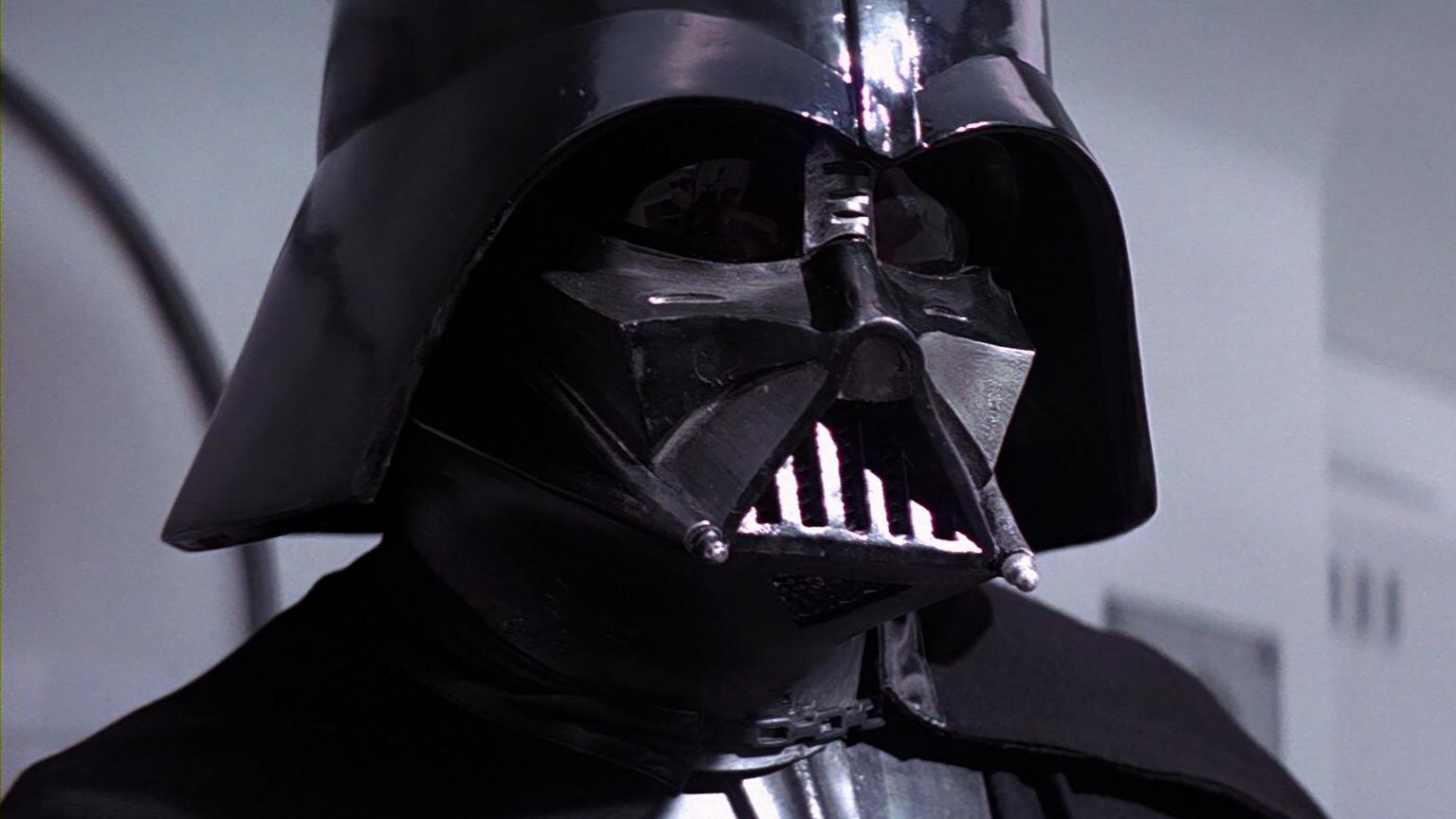
Darth Vader’s birth scene in Revenge of the Sith moves so quickly that the operation can feel almost immediate. One moment Anakin is burning on Mustafar, and soon after, the mask closes over his face.
But the film never shows a clock, a calendar, or any clear measure of the time passing. To work out the real duration, we have to separate what the movie shows from what Canon and Legends later added.
The Current Canon Answer Is A Long Night
After Obi-Wan defeated him on Mustafar, Anakin had lost both legs and his remaining organic arm. Fire had also caused devastating burns and serious damage to his internal organs. The official breakdown of how Vader’s suit kept him alive explains that these wounds would have killed him without immediate medical treatment.
Palpatine brought him back to Coruscant, where Doctor Cylo and other specialists rebuilt him. The current Canon history of Darth Vader’s armor describes this as a “long night of reconstructive surgery.” Cylo’s own history also connects that operation to Darth Vader (2015) #20.
![Darth Vader #20 [2015] (Audio Comic)](https://may4bewithyou.com/wp-content/plugins/wp-youtube-lyte/lyteCache.php?origThumbUrl=https%3A%2F%2Fi.ytimg.com%2Fvi%2FL_PybV817KA%2F0.jpg)
That wording is useful, but it is not precise enough to turn into a stopwatch result. “A long night” could mean that the team worked from late evening until morning, or simply that the procedure occupied most of one night. Canon has not identified a start time, an end time, or a total such as eight, ten, or twelve hours.
So “overnight” is the safest simple description. Claiming that Canon gives an exact hour count would go beyond the evidence.
Where The Several Days Answer Comes From
The “several days” answer is not invented, but it belongs to Legends, the older Expanded Universe continuity.
The Legends history of Vader’s reconstruction describes him being repaired and rebuilt over several days. It gives a much more detailed process involving the DD-13/HK medical assistant droid, the 2-1B/DRX surgical droid, and an enhanced FX-6 unit. They installed cybernetic implants, prosthetic limbs, and synthetic organs, performed blood transfusions, stabilized widespread injuries, and connected severed nerves to robotic parts.
That version draws heavily from Matthew Stover’s Revenge of the Sith novelization and other older reference material. The novel adapts the same movie, but after the continuity reset, most Expanded Universe material was placed under the Legends label.
The movie does not settle the conflict. Its editing cuts between Vader’s operation, Padmé giving birth, and other events for dramatic effect. Cross-cutting suggests that these moments are connected, but it does not prove that every event starts and ends at exactly the same time.

It Was More Than Putting On A Suit
The operation was not a costume fitting. It was emergency reconstruction on a patient who should have died on Mustafar.
The medical team had several critical jobs. They had to stabilize Vader’s burned body, keep damaged organs working, deal with his ruined respiratory system, replace three missing limbs, connect cybernetics to living tissue, and place the remaining body inside permanent life support.
His helmet did far more than create the famous voice. Its mask contained the respiratory system that moved air through his damaged lungs, while other parts helped regulate temperature, improve his weakened sight, and deliver nutrients. His chest armor and body suit protected fragile organs and covered the cybernetic limbs. Controls on the chest and belt monitored the systems keeping him alive.
An FX medical droid supplied blood and helped attach Vader’s cybernetic legs. A 2-1B surgical droid and other medical machines handled additional parts of the reconstruction. This was a coordinated attempt to turn catastrophic injuries into a body that could survive outside the operating room.
All of that makes a long overnight procedure believable in a galaxy with highly advanced droids, prosthetics, and life-support technology. It also explains why the surgery could not have been a quick matter of lowering a helmet onto Anakin’s head. The armor was integrated with the medical systems his body now needed every second.

So How Long Was Darth Vader’s Surgery?
Current Canon gives the operation one long night. Legends gives it several days.
There is no verified Canon total in hours, so numbers such as eight, twelve, or twenty-four should not be presented as the final answer. Some older details assign hours to individual parts of the procedure, but those do not establish a current Canon total, and they should not be combined into one made-up calculation.
The clearest answer is therefore continuity-based. If the question is about the modern Canon timeline, Vader was rebuilt overnight during a long night of operations. If the question includes the pre-2014 Expanded Universe, the process lasted several days.
Both versions agree on the most important point. Vader did not simply receive a mask and four black pieces of armor. He survived a massive emergency reconstruction that replaced limbs, supported failing organs, restored basic functions, and locked what remained of Anakin Skywalker inside a life-support system he would depend on for the rest of his life.