
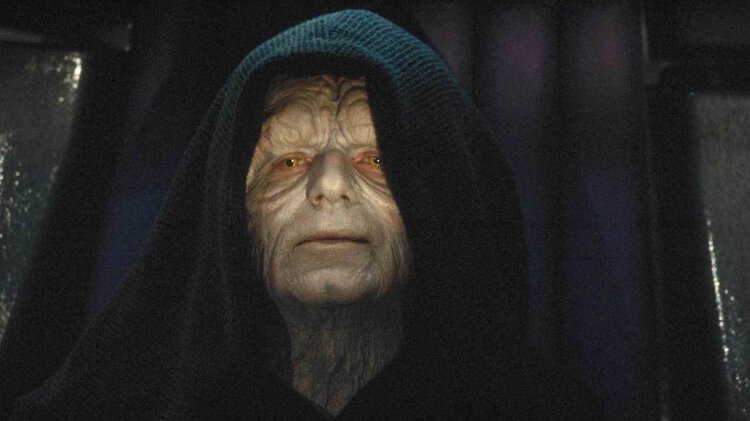
Most Sith do not exactly look like they are enjoying themselves. Vader lives with pain and loss. Maul is consumed by revenge. Dooku is proud and powerful, but hardly cheerful. Then there is Palpatine, cackling through lightsaber fights and other people’s worst moments like being evil is the most fun he has ever had. So if the dark side is tied to hatred, aggression, fear, and selfish desire, why does its most famous Sith Lord seem so happy?

The Dark Side Does Not Require Sith To Be Miserable
A big part of the confusion comes from treating the dark side like a rule that says its users must feel angry or miserable every second. That is not how canon describes it. The official StarWars.com Sith Databank says the Sith practice hate, deception, and greed, use aggressive feelings, and seek power at almost any cost. Palpatine’s own Databank entry describes him as power-hungry, manipulative, and a ruler who controlled the galaxy through fear and tyranny.
None of that means a Sith has to scowl all day. Someone can hate another person and still enjoy defeating them. A cruel person can laugh while humiliating somebody. A ruler obsessed with power can feel enormous satisfaction when a plan finally puts everyone else under his control. That is a much better way to understand Palpatine.
It can be neatly described as “gleeful hate.” Or another useful word is schadenfreude: pleasure at someone else’s misfortune. Neither is an official Force term, but both describe what we repeatedly see from Sidious.
Three Scenes Show Exactly What Palpatine Enjoys
Vader Learns That Padmé Is Dead
Near the end of Revenge of the Sith, Vader wakes inside his new armor and immediately asks about Padmé. Palpatine tells him that he killed her in his anger. Importantly, this is not just one interpretation of the scene. An official StarWars.com feature on Revenge of the Sith explicitly describes Palpatine’s statement as a lie. Vader breaks down, and Palpatine watches him. The film never gives us a narrator explaining exactly what Sidious is feeling, so it is better not to treat his private thoughts as confirmed canon.
But the point of the scene is clear enough: Anakin has lost Padmé, lost his old life, suffered catastrophic injuries, and become almost completely dependent on his Sith Master. For Palpatine, the plan worked. Vader experiences the tragedy. Sidious gets the control.
He Cackles Through His Fight With Yoda
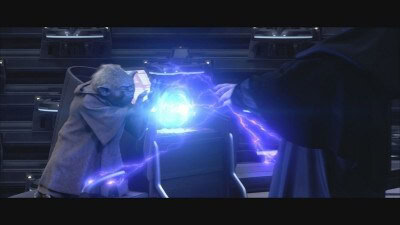
The Yoda fight makes the answer even more obvious. Sidious throws Senate pods, blasts Force lightning, and laughs through much of the battle. He looks less like someone reluctantly drawing on dark emotions and more like someone finally getting to enjoy his power openly.
That reading is actually supported by StarWars.com. In its ranking of major Star Wars fights, the site describes the Emperor as reveling in his power while attacking Yoda. It makes sense. Palpatine has spent years pretending to be a respectable politician. The Jedi have fallen, the Republic has become his Empire, and now one of the greatest Jedi alive has come directly to him. He no longer needs to hide what he is. The laughter is not inner peace. It is excitement, arrogance, and the pleasure of finally being able to show how powerful he believes he is.
He Toys With Luke Before Trying To Kill Him
The Death Star throne room in Return of the Jedi shows the same pattern. Palpatine already knows the Rebel attack is walking into a trap. Rather than simply killing Luke, he spends time provoking him. He shows Luke what is happening to his friends and pushes him toward anger.
The official Palpatine Databank specifically says Sidious toys with Luke and encourages him to use his hatred. That is important because Palpatine is not merely trying to win the battle. He wants to prove something. He wants Luke to become angry enough to attack, defeat Vader, and eventually replace him. When Luke finally rejects that path, Palpatine’s amusement disappears.
He attacks Luke with Force lightning and intends to kill him. That shift tells us a lot. The smiling and the cruelty were never opposites. Palpatine was enjoying the situation while he believed he controlled it.
Why Palpatine Seems Happier Than Vader, Maul, And Dooku

Other Sith and dark-side users often look much more miserable because their anger is tied to wounds they cannot escape.
- Vader loses Padmé, his body, his Jedi life, and almost everyone he once loved.
- Maul becomes obsessed with revenge against Obi-Wan.
- Dooku becomes disillusioned with the Jedi and develops a thirst for greater power before becoming Sidious’ apprentice.
Palpatine occupies a different position. He is usually the person creating the trap rather than the person caught inside it. That difference is especially clear in The Clone Wars episode “The Lawless.” Maul has built considerable power on Mandalore, but Sidious arrives personally when his former apprentice becomes too much of a threat.
He fights Maul and Savage Opress, kills Savage, defeats Maul, and takes him prisoner. The fight is horrifying for Maul. Sidious spends much of it laughing. And unlike Maul’s long struggle with revenge, Palpatine’s official biography repeatedly presents him as someone pursuing greater control: manipulating the Republic, engineering the Clone Wars, destroying the Jedi, and later seeking total domination of the Empire.
He is not free from dark-side obsession. His obsession simply puts him at the top of the power structure for much of the story.
Palpatine’s Laugh Is Part Pleasure, Part Intimidation
There is another reason the cackle works so well: it is useful. For years, Palpatine performs the role of the calm public servant. He is the friendly senator, patient Chancellor, and trusted mentor who rarely shows people what he really wants. Once he stops hiding, the voice and body language change with him.
The laugh tells Yoda that Sidious believes he has the advantage. His smile tells Luke that Luke’s fear was expected. When Maul faces his old Master, Sidious behaves like the huge power difference between them is amusing.
There is no canon rule saying Sith laughter itself creates more dark-side power. It is better understood as character and intimidation. Palpatine enjoys having control, and acting entertained by a life-or-death confrontation makes that control feel even more disturbing.